Buying a Ferrari in Los Angeles: Beverly Hills Allocation, Dealer Relationships and the California Registration Math
Los Angeles
is a city built around the automobile. Its ties to Ferrari run through the canyon roads above Malibu, the collections at the Petersen Automotive Museum on Wilshire Boulevard and a client base that often keeps several cars in one garage.That said, buying a Ferrari here involves much more specific steps than the postcard version suggests. Who gets an allocation, which dealer you build a history with and what California charges at the DMV counter all shape the real cost of the car. Every figure below is either sourced or marked as an estimate.
The Southern California Dealer Landscape
In the United States, Ferrari sells new cars only through its authorized dealer network. Several of those dealers are within driving distance of the Los Angeles basin. Ferrari of Beverly Hills, Ferrari of Westlake in Westlake Village and Ferrari of Newport Beach in Orange County are the stores most Los Angeles buyers meet first.
Keep in mind that dealer ownership and locations change over time, so check the current list on Ferrari North America's dealer locator before you start. Each dealer runs its own client book, and a relationship with one store does not carry over to another.
In practice, many Southern California clients pick a dealer based on where they will service the car, not where they first walked in. After all, the service department is where your ownership history builds up. That history is what a sales manager reviews when a limited model is announced.
All of this means the first decision is really which dealer you plan to stay with, not which car to buy. A buyer who orders in Beverly Hills and services in Newport Beach splits their history between two client books, and neither store sees the whole picture.
How Ferrari Allocation Works in Beverly Hills
Allocation is the number of cars Ferrari assigns to each dealer for a given model. The dealer then decides which clients get them. For series-production models the process is fairly open, while limited cars are tightly managed.
For allocation purposes, Ferrari's lineup falls into three broad tiers:
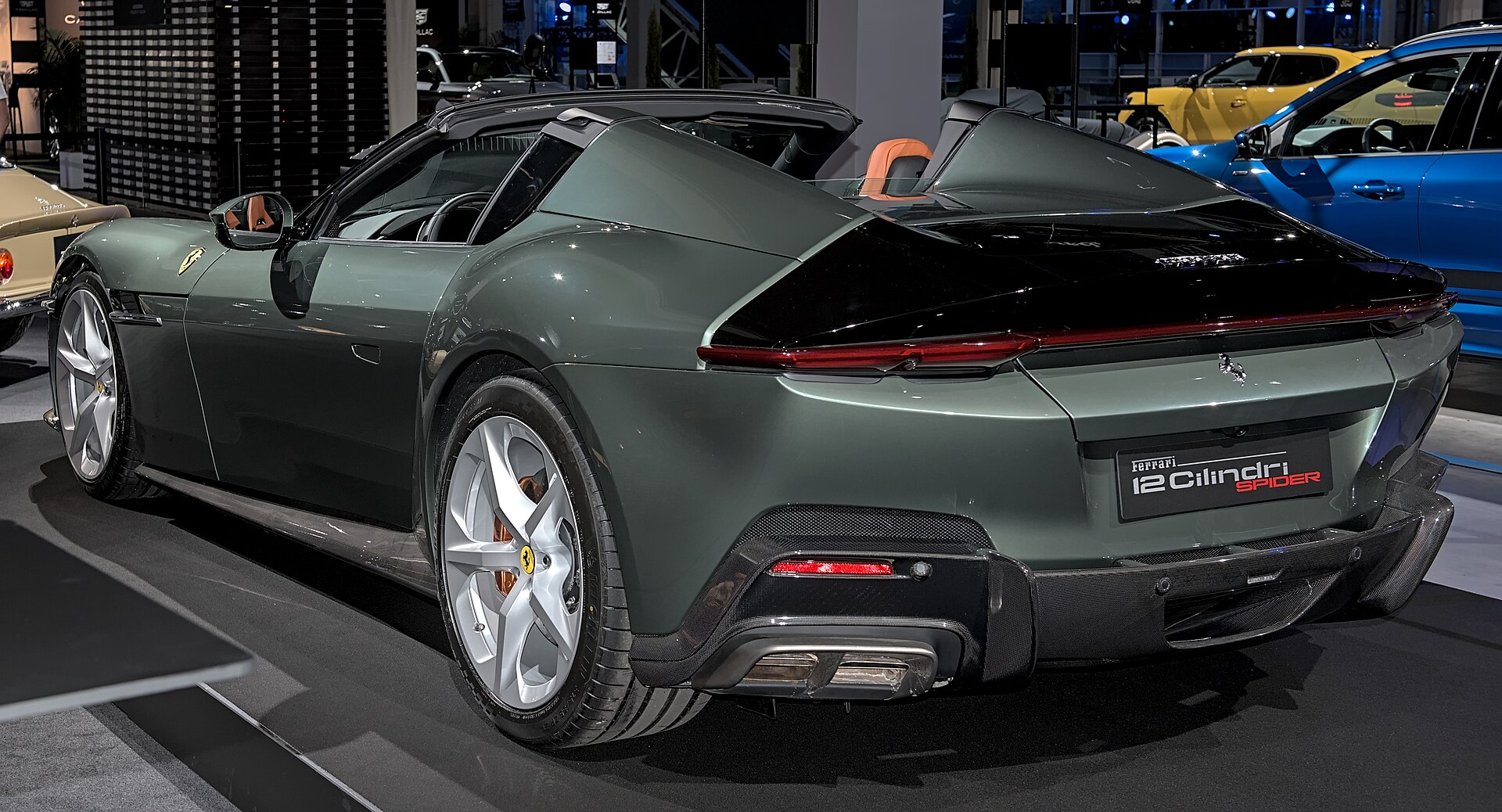
- Series production. Models such as the 296 GTB and the Ferrari 12Cilindri are built to order in meaningful numbers. A new client can often place an order, although the best build slots and early delivery dates tend to go to known buyers first.
- Special Series. Derivatives such as the 296 Speciale are built in limited numbers. Dealers generally favor clients who have bought from them before.
- Icona and supercar programs. Cars such as the Daytona SP3 and F80 are sold by invitation, and Ferrari is widely reported to have a direct say in who is on the buyer list.
The national framework is covered in our allocation reality analysis, and the limited tier in our Ferrari Special Series guide. Beverly Hills follows the same rules. What sets Los Angeles apart is the number of established clients competing for each limited car, which tends to raise the bar for a newcomer.
Building a Client History With a Southern California Dealer
A client history is the record a dealer keeps of your purchases, service visits and conduct as an owner. It does not form overnight, and spending alone does not create one.
The most dependable sequence looks like this:
- First, choose one store. Buy and service at the same dealer so that your whole history sits in one client book.
- Next, order a series-production car. Configure it through that dealer instead of buying an in-stock unit from someone else, because the order itself becomes part of your record.
- Then, keep the car. Purchase agreements for limited models have been reported to include resale restrictions, and a quick flip is widely understood to end your allocation prospects.
- Finally, take part. Dealer events, Ferrari Corse Clienti programs and gatherings during Monterey Car Week in August all put a client in front of the people who make allocation decisions.
The pattern looks a lot like the one in our Porsche 911 allocation piece, and the same patience applies. Overall, a buyer should expect to own more than one series-production Ferrari before a Special Series offer becomes realistic. This is an editorial estimate, not a published Ferrari policy.
The California Registration Math
California charges the most at the point of registration, and two rules catch out-of-state transplants off guard. First, vehicle sales tax follows the address where you register the car, not the dealer's location. Second, California taxes the full selling price with no credit for a trade-in.
The California Department of Tax and Fee Administration (CDTFA) publishes the current rate for every city. Most Los Angeles County cities sit at 9.75% following Measure A, which took effect in April 2025. A few cities with their own local add-on measures run higher. Orange County cities generally start at 7.75%. Confirm the exact rate for your registration address before you sign.
The second line item is the Vehicle License Fee, which the California DMV charges at 0.65% of the vehicle's value. The value used for that fee declines each year on a set DMV schedule. Registration, title, California Highway Patrol and county fees are added on top, but next to the tax they are modest.
The table below runs the math on an example $400,000 transaction price. The price is a round number for illustration, not the MSRP of any particular model:
| Line item | Basis | On a $400,000 price (estimated) | | --- | --- | --- | | Sales tax, LA County city at 9.75% | CDTFA rate at registration address | $39,000 | | Sales tax, Orange County city at 7.75% | CDTFA rate at registration address | $31,000 | | Vehicle License Fee, first year | 0.65% of value (DMV) | $2,600 | | Registration, title, CHP and county fees | DMV fee schedule | Several hundred dollars (estimated) | | Dealer documentation fee | Capped by California statute | Check against the statutory cap |
Note that any market adjustment is part of the taxable selling price. At 9.75%, a $50,000 adjustment adds $4,875 in sales tax alone, so the true cost of a premium over MSRP is higher than the sticker suggests.
Out-of-State Purchases and the 12-Month Rule
A purchase in Arizona, Nevada or Florida can look attractive on paper, especially to readers of our Ferrari Miami guide. However, under CDTFA guidance, a vehicle brought into California within 12 months of purchase is presumed to have been bought for use here. Use tax is then due at your local rate, with credit for any sales tax paid to the other state.
California residents who register cars through out-of-state LLCs to avoid that tax face active enforcement. Any structure like this belongs with a qualified tax professional, not a salesperson. Be aware, too, that emissions certification matters on a used car from out of state. Confirm that the under-hood emissions label shows California or 50-state compliance before you agree a price.
Where an out-of-state purchase genuinely helps is with inventory. A specific used example, color or specification may simply be easier to find in another market. For new cars, smaller-market dealers can have fewer established clients for each allocated car, though they generally keep limited models for their own service customers.
Buying a Used Ferrari in Southern California
The used market is where Southern California has a real advantage. California cars generally avoid the road salt that damages undercarriages in northern states. Moreover, the region's large base of owners produces a steady supply of examples with complete dealer records.
The climate brings its own wear patterns, including but not limited to:
- Sun exposure. Leather, Alcantara and dashboard materials fade and crack under years of Southern California sun, so check upper surfaces closely in daylight.
- Canyon and track use. Roads such as Angeles Crest Highway and occasional track days wear brakes, tires and suspension faster than the mileage suggests.
- Traffic duty. On older F1-gearbox cars, stop-and-go driving speeds up clutch wear, so ask for a clutch-wear reading as part of the inspection.
These factors make an independent pre-purchase inspection essential, along with a review of the car's provenance and history file. Ferrari's Genuine Maintenance program covers scheduled servicing for the first seven years and stays with the car. The Power15 extended warranty can extend coverage up to 15 years from first registration, subject to inspection.
For where value sits by generation, see our used Ferrari depreciation sweet spot analysis and our Ferrari service costs by model breakdown. Buyers looking at a grand tourer should also read our used Ferrari Portofino and Ferrari Roma guides.
Editorial Recommendation
Putting the allocation tiers, client-history mechanics and registration math together, the Marque Editors recommend the following approach for Los Angeles buyers:
- First Ferrari, new. Order a series-production car such as the 296 GTB or the 12Cilindri through the dealer where you plan to service it, and keep it through at least one model cycle.
- First Ferrari, used. Prioritize California-registered examples with complete dealer service records and remaining Genuine Maintenance coverage, and budget for a full PPI with clutch-wear and paint-depth readings.
- Limited models. Treat a Special Series or Icona allocation as a goal several years out. It is earned through ownership at one store and cannot be bought with a single purchase.
- Tax planning. Budget sales tax at your registration address on the full selling price, including any market adjustment. Add 0.65% for the first-year Vehicle License Fee, and do not count on a trade-in to reduce the tax.
Planning Your Purchase
A Ferrari bought in Los Angeles costs what the window sticker says, plus the tax rate at your address, plus whatever history you bring to the dealer. Buyers who understand all three before their first showroom visit tend to negotiate from a stronger position.
For model-level detail, start with our Ferrari marque hub and the Ferrari Purosangue buying guide. For a cross-marque comparison of the same city, see our Lamborghini Los Angeles guide.