Buying a Ferrari Roma: Front-Engine GT Allocation, Spec Strategy, and Where It Sits in the Range
Ferrari
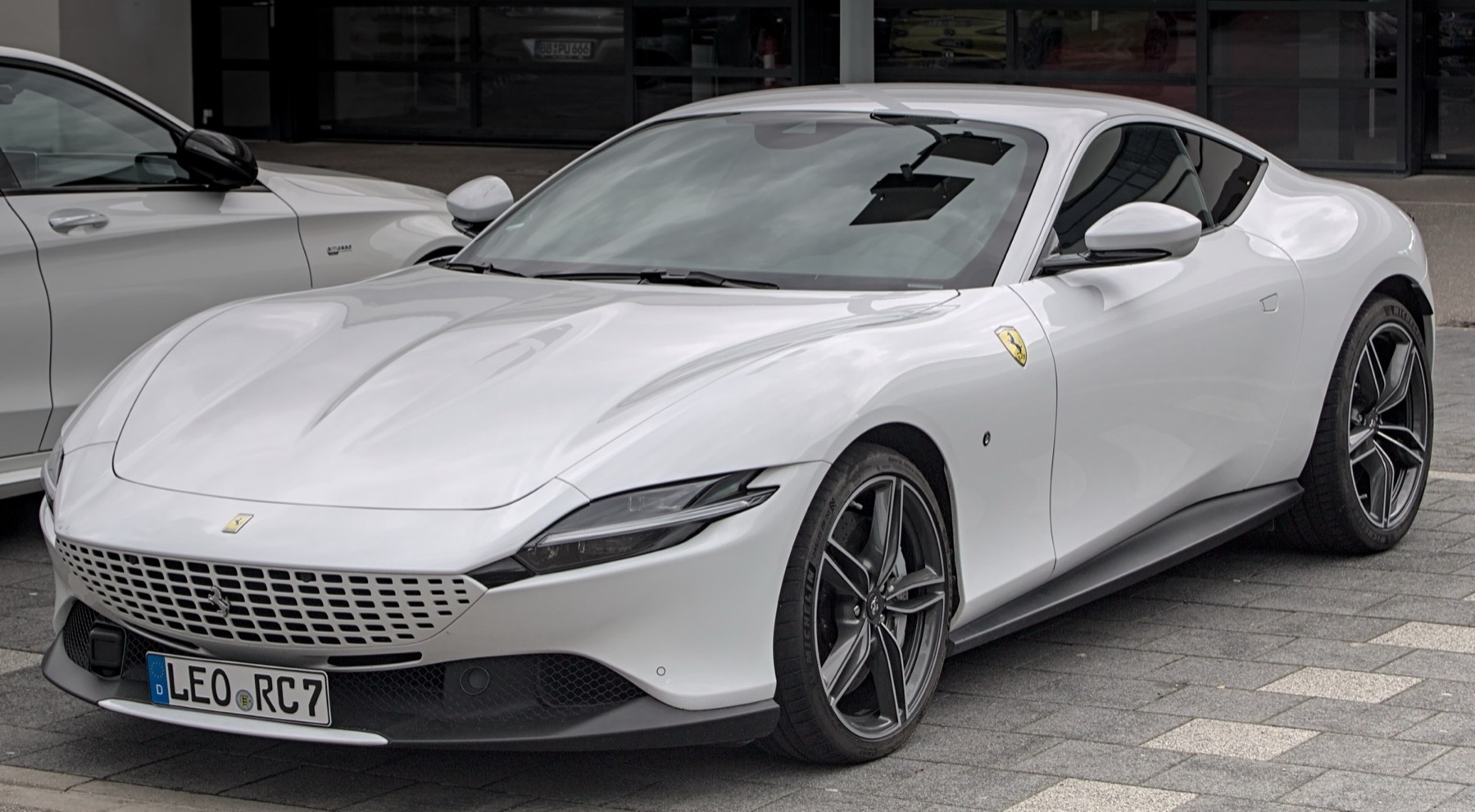
built its modern reputation on the mid-engine V8 — the cars that fill the order books and dominate the dinner-table conversation. The front-engine grand tourer is the marque's quieter lineage, the one that runs back through the Daytona and the 250 GT to a different idea of what a Ferrari is for.The Roma is the current expression of that idea. Buying one well asks a different set of questions than buying a mid-engine 296 GTB, and most of those questions are about restraint — in the specification, in the allocation conversation, and in the expectations you bring to residual value.
This is a buyer's playbook for the front-engine V8 GT, not a road test. It covers where the car sits in the range, the specification choices that protect resale, and how the Roma differs from the mid-engine cars buyers routinely cross-shop against it.
Where the Roma Sits in the Range
Within Ferrari's lineup the Roma occupies the grand-touring end, not the supercar end. It is the coupe counterpart to the open-top Portofino M, sharing much of that car's front-engine architecture while presenting a cleaner, more formal body.
That placement sets the mission. The Roma is built for distance, refinement, and daily usability in a way the mid-engine cars are not, and its pricing opens the V8 range rather than topping it.
A Roma Spider joined the line in 2023 with a fabric soft-top, giving the front-engine GT a convertible expression on this platform. Coupe and Spider serve different buyers, and the coupe generally carries the cleaner design and residual argument.
What You Are Actually Buying
Under the long hood sits a 3.9-litre twin-turbocharged V8 from Ferrari's F154 engine family, rated by the manufacturer at 620 PS — roughly 612 horsepower. Drive goes to the rear wheels through an eight-speed dual-clutch transmission.
Manufacturer figures put the 0–62 mph sprint at 3.4 seconds and top speed beyond 199 mph. Those numbers are supercar-adjacent, but the chassis tuning leans toward composure rather than the knife-edge response of a mid-engine layout.
The point of the Roma is not the headline figure. It is the way a front-engine GT carries that performance across a long day's drive without exhausting the driver.
The Allocation Reality
Ferrari allocation is relationship-driven, not a list you simply join. For series-production cars like the Roma the dynamics are softer than for limited specials, but a new build slot still typically runs through an established dealer relationship.
Because the Roma is not a capped-production model, the secondary market is the more realistic entry for most first-time Ferrari buyers. Early coupes have moved into the used market, where you trade the configurator for immediate availability and a known specification.
That trade is worth weighing. A used car removes the allocation conversation and lets you buy on specification and condition, which — for residual-conscious buyers — is often the smarter play. Our Porsche 911 allocation guide covers the same relationship dynamics from the other side of the market.
Regional demand also shapes what reaches the floor, and some metros run hotter than others. Our guide to buying a Ferrari in Miami looks at one of the strongest US markets for the marque.
Specification Strategy That Protects Residuals
The most expensive mistake on a front-engine Ferrari GT is a deeply personal specification. Loud paint-to-sample colors, clashing interior combinations, and heavy personalization narrow the future buyer pool and soften resale.
Spec for the second owner, not only for yourself.
The colors and combinations that hold value tend to be the disciplined ones — classic reds, restrained greys and blues, and interiors that photograph cleanly rather than shout. None of this stops you ordering a personal car; it simply has a cost.
Options divide into two camps. Functional choices — the suspension lifter, premium audio, carbon where it earns its keep, and well-chosen wheels — tend to be recovered better at resale than purely cosmetic surcharges.
Headline features such as the front passenger display are pleasant, but rarely return dollar-for-dollar. Treat them as items you buy for your own enjoyment, not as residual insurance.
A note on paint-to-sample: PTS can add desirability when the color is tasteful and period-appropriate, and can erode it when it is not. If residual value is part of your thesis, the conservative configurator color is almost always the safer financial call.
How It Differs From the Mid-Engine Cars Buyers Cross-Shop
Buyers routinely cross-shop the Roma against the mid-engine 296 GTB, and the two answer different questions. The 296 is a plug-in hybrid V6 built around response and track capability; the Roma is a V8 built around distance and refinement.
If your driving is long-distance and road-biased, the front-engine layout is the right tool, and the Roma's softer entry price is a genuine advantage. If you want the sharpest possible response and accept the compromises that come with it, the mid-engine car is the honest choice — our Artura versus 296 comparison breaks down the mid-engine hybrids in detail.
The Roma also competes outside Ferrari, against the Aston Martin DB12 and Bentley Continental GT in the front-engine GT class. Those cars trade some outright pace for cabin opulence, and our DB12 versus Continental comparison maps that decision.
What About Depreciation?
Front-engine, series-production Ferraris have historically depreciated more steeply in their early years than limited specials — closer to the pattern of the California and Portofino than to the capped-build cars that hold or appreciate. Treat any specific figure as estimated, and verify it against current market data before you transact.
This is exactly why the used market deserves a serious look. Letting the first owner absorb the steepest part of the curve, then buying a clean, sensibly specified example, is the core logic of our used Ferrari depreciation sweet-spot analysis.
The same range-not-point discipline applies across the marque, and the broader picture lives on the Ferrari brand hub. Buy on condition and specification, not on a rounded percentage someone quoted you.
Ownership Economics
A Roma is more attainable to buy into than most of the range, but it is still a Ferrari to run. Major services, tyres, and consumables follow exclusive-marque pricing, and a complete service history is itself a residual-value asset.
Budget for a pre-purchase inspection on any used example, and treat documented service history as non-negotiable. The cars are modern and robust, but the paperwork is what protects you at resale.
For a fuller picture of what running an exclusive GT costs year to year, our supercar ownership-cost breakdown sets the expectations.
Editorial Recommendation
For most buyers, the disciplined path is a lightly used Roma coupe in a conservative-but-warm color, with functional options and a complete service history.
- Body: Coupe over Spider when the design and residual argument matter more than open-top driving.
- Color: A classic red or a restrained grey or blue over a personal paint-to-sample, unless the PTS is genuinely tasteful.
- Options: Prioritize the suspension lifter, sensible wheels, and audio; treat cosmetic surcharges as personal spend, not residual insurance.
- Acquisition: Strongly consider a clean used example over a new allocation, letting the first owner absorb the steepest depreciation.
- Due diligence: Insist on a pre-purchase inspection and a fully documented, stamped service history.
The Roma rewards the buyer who treats it as a grand tourer and specifies it with restraint. Buy the car the next owner will also want, and the ownership math takes care of itself.