Luxury cars in Seattle.
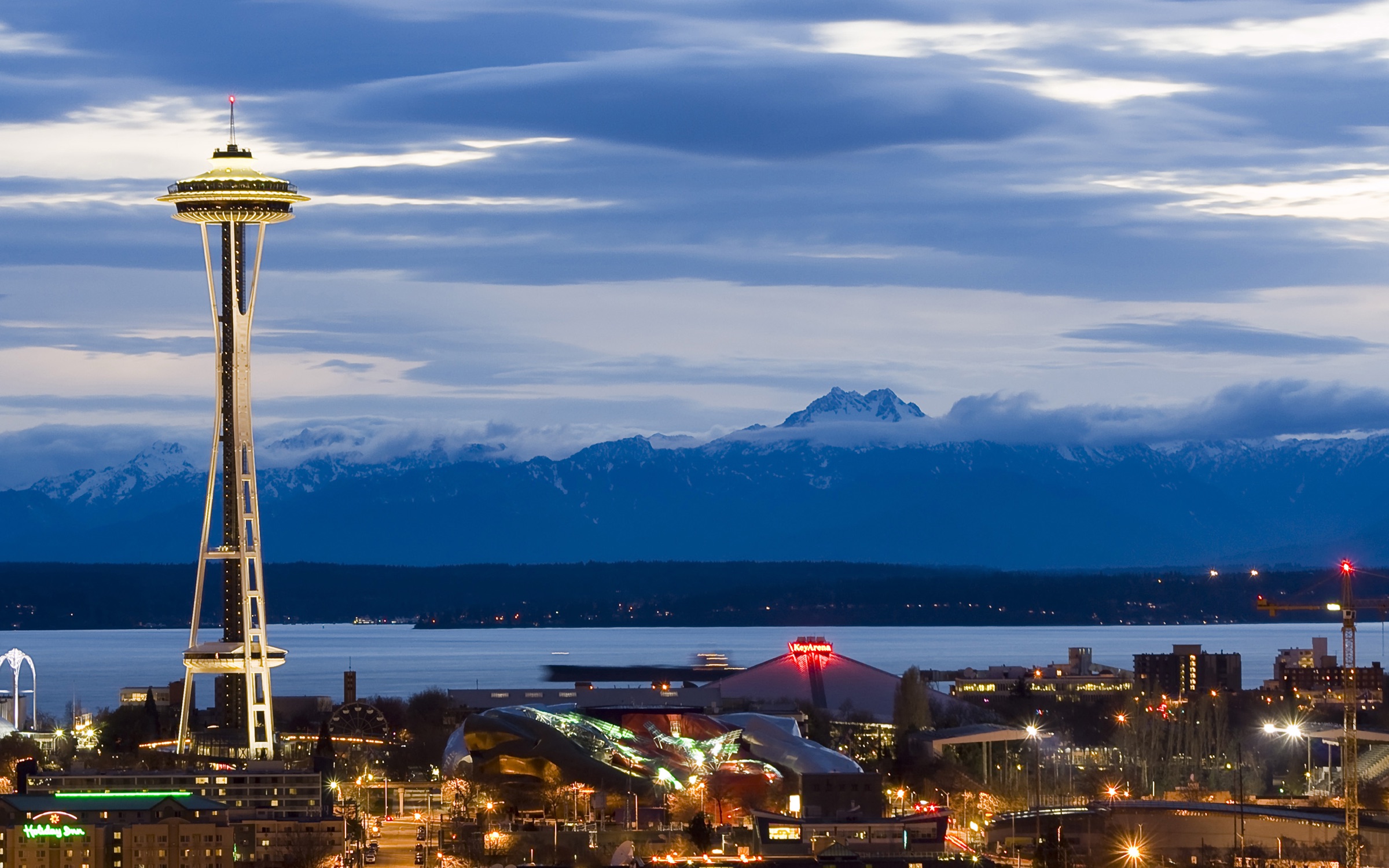
Seattle’s tech-sector wealth and weather-driven AWD bias make it one of the strongest Porsche, Lucid, and luxury-SUV markets per capita.
- RegionWest
- StateWA
- Authorized dealers4
- Marques represented4
Market shape
Greater Seattle is the country's 15th-largest metro by population and one of the highest-per-capita-wealth metros in the country, reflecting the technology-sector concentration. Microsoft's Redmond headquarters, Amazon's downtown Seattle and South Lake Union footprint, and the broader Pacific Northwest technology cluster (T-Mobile, Costco, Boeing, Starbucks, Expedia, Zillow, and the substantial venture-and-private-equity presence) collectively define the wealth profile in a way that produces a distinctively different buyer base from the older-money established luxury markets.
Demand concentrates on the Eastside — Medina (the established billionaire-row corridor), Hunts Point, Yarrow Point, Clyde Hill, downtown Bellevue, and Mercer Island. The Eastside concentration is structurally different from most US luxury-car markets: Bellevue itself has emerged as the dominant high-end automotive retail hub for the metro, with a denser dealer cluster than downtown Seattle proper. Seattle-side wealth concentrates in Madison Park, Magnolia, Madrona, Capitol Hill, and the various waterfront pockets along Lake Washington and Lake Union.
Used-market liquidity in Seattle is meaningful but smaller than the Bay Area or LA. The cross-shop with Vancouver (British Columbia, Canada) and Portland (Oregon) creates a regional Pacific Northwest market that operates with materially different inventory characteristics from the California markets. The Pebble Beach Concours d'Elegance and Monterey Car Week (mid-August) sits a two-hour flight south and draws meaningful Seattle participation among the more-active collector segment.
Driver culture
Seattle driving conditions structurally shape the local ownership pattern in a way that differs from every other major US metro. The climate profile — cool, cloudy, rain-dominant from October through May, with a short and beautiful summer through July, August, and early September — produces a strong preference for all-wheel-drive and SUV specifications. The Cayenne, Macan, Bentayga, Cullinan, Urus, and DBX are all over-represented in the Seattle market relative to their national segment shares. Convertibles are usable through the summer months but do not function as year-round daily drivers in the way they do in LA, Miami, or even the Bay Area.
The wet-weather operating reality has practical implications for ownership beyond specification choice. Tire selection is typically biased toward all-season rather than summer-performance compounds for daily-driver use; PPF and ceramic-coating specification matters more for road-grime and water-spot management than for the heat-and-pollen exposure that defines warmer-climate markets. Many Seattle owners run summer tire-and-wheel sets specifically for the dry summer months as a separate seasonal program.
Driving roads in the Pacific Northwest are among the best in the country and offer year-round driving in a way the Northeast and Midwest cannot match (no winter-salt application on most secondary routes). The North Cascades Highway (State Route 20) is closed seasonally but is one of the most editorially-significant driving roads in the country during its operating window (typically May through October). Highway 2 over Stevens Pass, Highway 410 around Mount Rainier, the Olympic Peninsula loop (Highway 101), and the Snoqualmie Pass / Highway 906 area collectively offer credible regional driving destinations within two-hour reach. The summer-only opening of the Cascades and Mount Rainier roads is the calendar-defining event for the Pacific Northwest driving community.
Dealer landscape
Seattle has authorized-dealer presence for every Marque-covered marque, with the densest concentration in Bellevue's Auto Row corridor along NE 6th Street, Bellevue Way, and 116th Avenue NE. Bellevue itself operates as the high-end automotive retail center of the metro — Park Place Bellevue (now part of the Asbury Automotive Group, the same parent organization as the Park Place Dallas operation), the Bentley/Bugatti/Lamborghini Bellevue cluster, and Mercedes-Benz of Bellevue collectively define the Eastside dealer footprint. Seattle-side dealer activity concentrates along Aurora Avenue and Lake City Way, with Seattle Auto Row historically along the South Lake Union corridor.
For new-vehicle allocation, the Bellevue-anchored dealer count provides reasonable buyer choice though the market is meaningfully smaller than LA, the Bay Area, or New York. The cross-shop with Vancouver, BC dealers (with their own inventory characteristics and Canadian-spec considerations) and with Portland is a meaningful regional pattern for buyers willing to navigate the cross-border or cross-state structuring requirements. CPO inventory is competitive across the volume marques and reflects the Pacific Northwest ownership pattern (more AWD specifications, more SUV configurations, fewer convertibles).
Existing-customer status with the Eastside-anchored multi-marque dealer organizations materially affects access to harder allocations (Ferrari Special Series, Porsche GT cars, McLaren Ultimate Series, Bentley Mulliner). The relationship pattern is comparable to the Bay Area in scale and to the Dallas / Houston Sewell-and-Park Place pattern in multi-marque structure.
Authorized dealers in Seattle
Manufacturer-authorized dealerships. Click through for current inventory and contact details.
Aston Martin Bellevue
13626 Northeast 20th Street
Bellevue, WA 98005Bentley Seattle
13617 NE 20TH Street
Bellevue, WA 98005Ferrari Bellevue
13120 Bel-Red Road
Bellevue, WA 98005Porsche Bellevue
11910 NE 8th Street
Bellevue, WA 98005
Independent specialists
The Seattle independent-specialist ecosystem is well-developed across the established marques, with particular depth in air-cooled and water-cooled Porsche (the Pacific Northwest has long-standing Porsche communities, partly reflecting the brand's historical fit with the regional all-weather-driving preference), modern Italian (Ferrari, Lamborghini, Maserati), and classic British (Bentley, Rolls-Royce, Aston Martin, Jaguar). For out-of-warranty service on the volume marques, a Seattle buyer typically has credible specialist alternatives to the authorized dealer.
Pre-purchase inspection is a meaningful service category given the regional cross-shop with Vancouver and Portland and the broader Pacific Northwest pattern of buyers acquiring out-of-region inventory for region-specific specifications (low-mileage AWD configurations, summer-stored examples). The local PPF and ceramic-coating specialist market is mature and reflects the road-grime-and-water-spot-management priorities that define the regional environmental exposure profile.
Events and community
The regional event calendar centers on the Kirkland Concours d'Elegance (historically held at the Carillon Point waterfront in Kirkland, with subsequent transitions to other venues) — the highest-profile Pacific Northwest concours and a meaningful regional-collector calendar anchor. The event has moved venues across recent years; the current location should be confirmed against the event's active calendar before planning attendance.
The America's Car Museum (LeMay - America's Car Museum, in Tacoma, 30 miles south of Seattle) is the country's largest automotive museum by collection size and a meaningful editorial touchpoint for any Pacific Northwest collector. The Pebble Beach Concours d'Elegance and Monterey Car Week (mid-August, California) draws Seattle participation among the most-active collector segment, with multiple direct flights between SeaTac and Monterey making the trip more accessible than equivalent East Coast flights.
Locally, the cars-and-coffee culture is anchored by the Exotics @ RTC / Redmond Town Center Sunday gathering (one of the largest and most-established weekly meets in the Pacific Northwest), the various Bellevue dealer-hosted events through the warmer months, and the seasonal driving-event programs that align with the Cascades and Mount Rainier opening windows. The regional driving-club presence — the Porsche Club of America Pacific Northwest Region, the Northwest Audi Club, various marque-specific clubs — is meaningfully active.
Local buying notes
Washington State has no state income tax, which structurally shifts the multi-year ownership-cost math relative to high-income-tax coastal metros. The state and local sales tax on motor vehicle purchases is meaningful — combined rates typically run in the 9-10% range depending on registration zip code, applied to the purchase price. An additional motor vehicle excise tax (MVET) component is built into annual registration fees on certain vehicles. The compliance-side complexity comes from the local-rate-stack model that varies by registration municipality.
Washington registration is annual and fee-based, with no state safety-and-emissions inspection requirement (Washington discontinued routine emissions testing in 2020). The registration-fee structure includes the MVET component on certain vehicles plus weight-and-classification fees; the total annual cost is meaningfully above the flat-fee states but below California's VLF structure.
Oregon registration is a long-established pattern for some Washington-resident buyers, given Oregon's lack of sales tax. The structuring requirements (residency definition, primary-use determination, insurance jurisdiction) require registration counsel and have meaningful legal exposure if not done correctly. For buyers with Oregon properties or genuine cross-state living patterns, this is an established and legitimate pattern; for purely tax-motivated structuring without underlying residency basis, the Washington Department of Revenue has been more aggressive on enforcement than was historically the case.
Brands available in Seattle
- Bentley
- Rolls-Royce
- Ferrari
- Lamborghini
- McLaren
- Aston Martin
- Porsche
- Maserati
- Bugatti
- Pagani
- Koenigsegg
- Mercedes-Maybach
- Mercedes-AMG
- Range Rover
Frequently asked questions
How does the Seattle climate affect luxury-car ownership?
Materially. The cool, cloudy, rain-dominant climate from October through May produces a strong preference for all-wheel-drive and SUV specifications — the Cayenne, Macan, Bentayga, Cullinan, Urus, and DBX are all over-represented in the Seattle market relative to their national segment shares. Convertibles are usable through the summer months but do not function as year-round daily drivers. PPF and ceramic-coating specification matters more for road-grime and water-spot management than for heat-and-pollen exposure.
Why is Bellevue the center of the Seattle luxury-car market?
Three structural factors: the Eastside is where the technology-sector wealth concentrates (Medina, Hunts Point, Yarrow Point, Mercer Island, Clyde Hill), the Bellevue Auto Row corridor along NE 6th Street and Bellevue Way is the densest dealer cluster in the metro, and the cross-Lake-Washington commute pattern from Eastside residences to Microsoft and Amazon offices effectively concentrates the buyer pool on one side of the lake. Seattle-proper dealer presence is meaningful but smaller than Bellevue's.
What is the North Cascades Highway and why does it matter?
State Route 20 across the North Cascades is one of the country's most editorially-significant driving roads — meaningful elevation change, sustained corner density, and through-the-mountains routing across the central Cascade Range. The road is closed seasonally (typically open May through October, exact dates depend on snowpack). The summer-only opening is a calendar-defining event for the Pacific Northwest driving community and is the regional equivalent of California's Tioga Pass or the Tail of the Dragon for Southeast drivers.
What is Washington's tax structure on a luxury-car purchase?
Washington has no state income tax. The state and local sales tax on motor vehicle purchases combines a state base rate plus local-municipal rates, with combined exposure typically running 9-10% applied to the purchase price. An additional motor vehicle excise tax (MVET) component is built into annual registration on certain vehicles. The lack of state income tax structurally shifts the multi-year ownership-cost math relative to high-income-tax coastal metros.
How does the Seattle independent-specialist market compare?
Mature and deep, particularly for air-cooled and water-cooled Porsche (the Pacific Northwest has long-standing Porsche communities, partly reflecting the brand's historical fit with the regional all-weather-driving preference), modern Italian (Ferrari, Lamborghini, Maserati), and classic British (Bentley, Rolls-Royce, Aston Martin, Jaguar). For out-of-warranty service on the volume marques, credible specialist alternatives to the authorized dealer exist across the metro.
What about Oregon registration for Washington-resident buyers?
A long-established pattern for some buyers given Oregon's lack of sales tax. The structuring requirements (residency definition, primary-use determination, insurance jurisdiction) require registration counsel and have meaningful legal exposure if not done correctly. For buyers with Oregon properties or genuine cross-state living patterns, this is an established and legitimate approach; the Washington Department of Revenue has been more aggressive on enforcement of purely tax-motivated structuring without underlying residency basis than was historically the case.
Figures on this page carry their source. Market character, dealer-group behavior, and how this metro compares with others are editorial judgment by The Marque Editors — informed by that data, but readings of it rather than measurements. How both are produced: methodology.