Luxury SUVs.
The fastest-growing segment in luxury — Bentayga, Cullinan, Urus, Purosangue.
- Typical range$200K – $600,000
- Marques6
- Models covered6
Segment definition
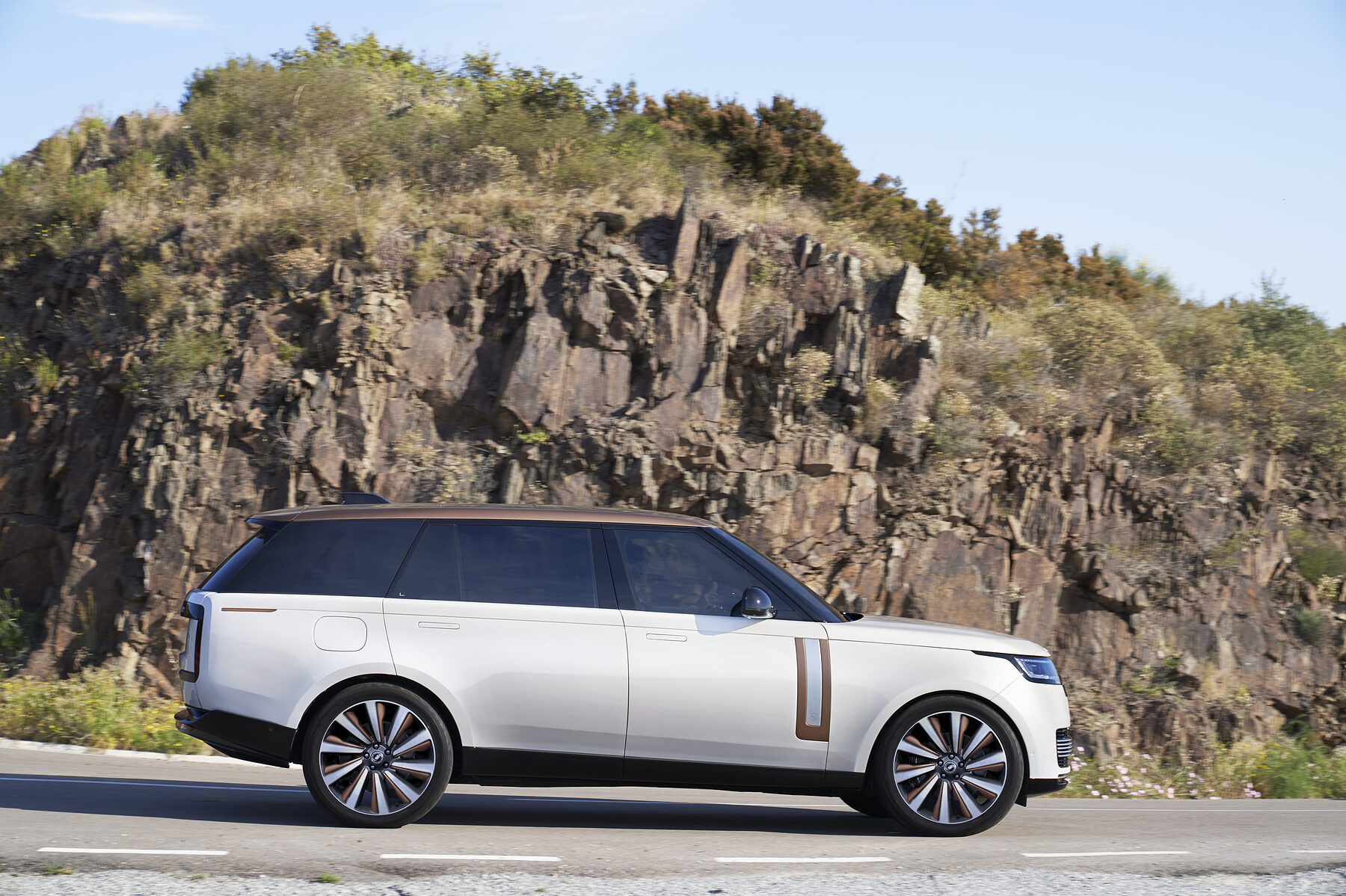
The luxury-SUV segment did not exist as a category fifteen years ago and now anchors the volume of the marques that built into it. The Bentayga (2016) launched the modern segment; the Cullinan (2018), Urus (2018), and DBX (2019) followed within three years; the Purosangue (2022) and the GLS Maybach (2020) rounded out the current shape. The segment is defined by the combination of ultra-luxury cabin specification, all-wheel-drive capability, and a four-door, four-seat usable interior — all in a vehicle that operates as a daily-driver proposition more than the rest of the ultra-luxury market.
The structural distinction within the segment is brief — Bentayga as the engineer's choice, Cullinan as the rear-cabin-priority leader, Urus as the performance-leaning option, Purosangue as the four-door Ferrari, DBX707 as the Aston Martin SUV, and GLS Maybach as the more-accessible price point. Each addresses a different brief; the cross-shop is real but each car operates from a structurally different position rather than as a direct competitor for the same buyer base.
Market shape
The luxury-SUV buyer base in the US has grown substantially over the past decade — annual segment volume globally has materially exceeded the equivalent flagship-sedan or grand-tourer volumes since roughly 2020. The US specifically anchors a substantial share of global volume; the metros where luxury-SUV demand concentrates are the same as the broader ultra-luxury pattern but with stronger weighting toward markets where multi-residence ownership patterns favor SUV use cases (Aspen, Naples, Greenwich, Hamptons, Jackson Hole).
The segment's growth has been driven by the structural fit between the SUV use case (year-round drivability, all-weather capability, multi-passenger occupancy, daily-driver economics) and the demands of contemporary luxury-vehicle ownership. Cars in the segment are commonly used as daily drivers in a way that grand tourers and supercars are not; the buyer base reflects that, with usage patterns producing 12,000-22,000 annual miles on a typical luxury SUV vs the 4,000-8,000 typical for an equivalent-price supercar.
Used-market liquidity in the segment is meaningful and growing as the original 2016-2019 production cohort moves through CPO and pre-owned cycles. The Bentayga has the deepest pre-owned market by absolute count; the Cullinan trades at firmer residuals reflecting Bespoke commissioning depth and Rolls-Royce ownership patterns; the Urus has the segment's deepest performance-variant pre-owned market (Performante examples trade actively).
Lineup across marques
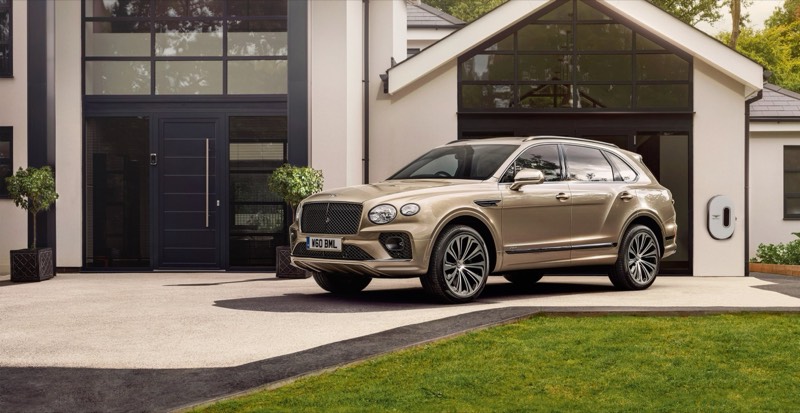
Bentley — Bentayga / Bentayga EWB
The engineer's choice in the segment. Crewe-built cabin standard on the MLB Evo platform shared with Cayenne, Q8, and Urus. The most-balanced car in the segment for buyers weighing daily-driver, weekend-GT, and chauffeured-rear-cabin use cases.
Rolls-Royce — Cullinan
The only car in the segment built specifically as a rear-cabin luxury experience first. Architecture of Luxury platform, V12 powertrain, the deepest Bespoke commissioning depth in the segment.
Lamborghini — Urus / Urus SE / Urus Performante
The most overtly performance-leaning car in the segment. Twin-turbo V8 (or V8 hybrid in the SE), Sant'Agata-tuned chassis dynamics, the volume leader of the Lamborghini lineup since 2018.
Ferrari — Purosangue
The "four-door Ferrari" — naturally-aspirated V12, all-wheel-drive, the most-constrained allocation of the four. Existing-customer-priority allocation; not a retail conversation for first-time Ferrari buyers.
Aston Martin — DBX707
The Mercedes-AMG-derived V8 in the highest-output Aston specification. The marque's commercial answer to the Bentayga, Cullinan, Urus, and Purosangue at meaningfully more accessible price points.
Mercedes-Maybach — GLS 600
The luxury-SUV companion to the S-Class Maybach. Built at Mercedes-Benz Tuscaloosa, mild-hybrid V8 in higher-output specification. The most accessible entry point to the segment.
Ownership reality
Luxury-SUV ownership economics differ from the rest of the luxury-vehicle market in two ways. First, the daily-driver use pattern produces materially higher annual mileage and consumable consumption than supercar or grand-tourer ownership; the multi-year cost picture compounds differently. Second, the segment's growth means the dealer-and-service infrastructure has scaled faster than other luxury-vehicle categories; the operational reality of ownership is meaningfully more accessible than equivalent-price supercars or hypercars.
Standard-lineup cars (Bentayga, DBX707, Urus, GLS Maybach) typically depreciate 35-50% in the first three years and 5-10% per year through year six. The Cullinan tracks a more-stable curve reflecting Rolls-Royce ownership patterns. The Purosangue trades at premiums to original MSRP for clean examples reflecting constrained allocation. Annual service runs $1,500-$5,000 at authorized dealers depending on car and service interval; specialist independent service is mature in every major US metro.
Insurance for the volume cars in the segment typically runs $3,000-$7,000 annually in major US metros — meaningfully lower than equivalent-price supercars given the segment's actuarial profile. The Cullinan and Purosangue typically run higher reflecting both vehicle value and the typical agreed-value coverage structure for those cars. Tire-and-brake consumables compound on top — large-diameter wheels and high load ratings produce per-tire costs that run $500-$1,200 fitted on the volume cars.
Buying advice
For new-vehicle buyers, allocation on the volume models (Bentayga, Urus, DBX707, GLS Maybach) is generally achievable through any authorized dealer with reasonable lead times. The Cullinan involves longer specification cycles (Bespoke commissioning timeline). The Purosangue is the constrained allocation in the segment — existing-customer-priority, multi-year wait. First-time buyers typically enter through the Bentayga or DBX707; the Urus is the entry point for buyers prioritizing the performance-leaning brief.
For CPO buyers, the manufacturer-backed programs cover the segment well. CPO Bentaygas, Cullinans, and Urus examples are typically deeper than equivalent supercar inventories given the segment's higher production volumes. CPO premiums over private-party pre-owned typically pencil out for buyers planning multi-year ownership given the warranty-extension value on V8 and V12 cars.
For pre-owned buyers, the editorial sweet spot on the Bentayga is the three-to-four-year-old V8 era in popular colors and restrained specification — typically 50-65% of original MSRP. On the Urus, the 2022-onward facelift cars and the Performante represent the editorial sweet spots. On the Cullinan, the longer-cycle ownership pattern means even six-to-eight-year-old cars sit at meaningfully more stable residuals than equivalent-age cars in adjacent segments. On the DBX707, the four-to-five-year-old volume sits at substantial discounts to original MSRP.
Cross-shop
Luxury SUVs cross-shop most actively against Luxury Sedans (the Phantom vs Cullinan and the S-Class Maybach vs GLS Maybach are the primary cross-shop pairs) and against Grand Tourers (the Bentayga vs Continental GT decision is common for buyers weighing four-door versus two-door use cases). The segment also crosses into Supercars at the Urus Performante / 911 Turbo S boundary for performance-leaning buyers and into the Electric segment for the Maybach EQS SUV variant.
Frequently asked questions
How do the four primary luxury SUVs compare?
The Bentayga is the engineer's choice — the most-balanced across daily-driver, weekend-GT, and chauffeured-rear-cabin use cases. The Cullinan is the rear-cabin-priority leader — engineered as a luxury experience for the rear seats first. The Urus is the most overtly performance-leaning — Sant'Agata-tuned chassis, sharper calibration than the Bentayga on the same MLB Evo platform. The Purosangue is the four-door Ferrari — V12 powertrain, constrained allocation, structurally distinct from the other three. See the journal post comparing the four for the deeper analysis.
Is the Urus the same as the Cayenne and the Bentayga?
Shared platform, fundamentally different cars. The Urus, Cayenne, Bentayga, Audi Q7/Q8, and Volkswagen Touareg all share the MLB Evo architecture. The Sant'Agata-tuned chassis dynamics, the Crewe-built cabin standard on the Bentayga, and the marque-specific engine calibrations all operate as meaningfully different cars on a common platform. The platform-sharing question is real but the buying experience and ownership reality differ materially across the marque variants.
Can a first-time Ferrari buyer order a Purosangue?
In practice, very rarely. The Purosangue allocation is the most-constrained in the segment — production caps are deliberately set well below demand, and the order book is filled through existing-customer-priority allocation. First-time Ferrari buyers typically enter the marque through the Roma or 296 GTB and develop the dealer relationship over time before the Purosangue conversation opens. The pre-owned market is thinly-traded and trades at premiums to original MSRP.
What's the editorial sweet spot for a pre-owned luxury SUV?
On the Bentayga, three-to-four-year-old V8 cars in popular colors with restrained specification — typically 50-65% of original MSRP. On the Urus, the 2022-onward facelift Performante represents the strongest combination of specification and residual stability. On the Cullinan, the longer-cycle Rolls-Royce ownership pattern means even older cars sit at firmer residuals. On the DBX707, the four-to-five-year-old volume offers the segment's most-accessible entry to ultra-luxury SUV ownership.
How does the Mercedes-Maybach GLS compare to the British and Italian SUVs?
Meaningfully more accessible by price point with operational economics that benefit from the Mercedes-Benz dealer-and-service infrastructure. The GLS Maybach is sold and serviced through the Mercedes-Maybach Studio dealer network — every Mercedes-Benz dealer can sell the car, and the parts-and-service infrastructure is materially deeper than the bespoke ultra-luxury marques can offer through their smaller dealer footprints. The trade-off is the bespoke-experience layer that Bentley Mulliner and Rolls-Royce Bespoke offer that Mercedes-Maybach Manufaktur is still building toward.
Are luxury SUVs usable as daily drivers?
More so than most of the broader ultra-luxury market. The all-weather capability, the dealer-and-service infrastructure depth, the four-door usable interior, and the daily-driver-tuned chassis dynamics all make luxury SUVs among the most usable daily-driver propositions in ultra-luxury. The Bentayga, DBX707, GLS Maybach, and Urus all function reasonably as daily drivers; the Cullinan and Purosangue lean less toward daily-driver use given the typical ownership pattern around those specific cars.
In this segment
Bentley
United Kingdom · founded 1919
Read the brand →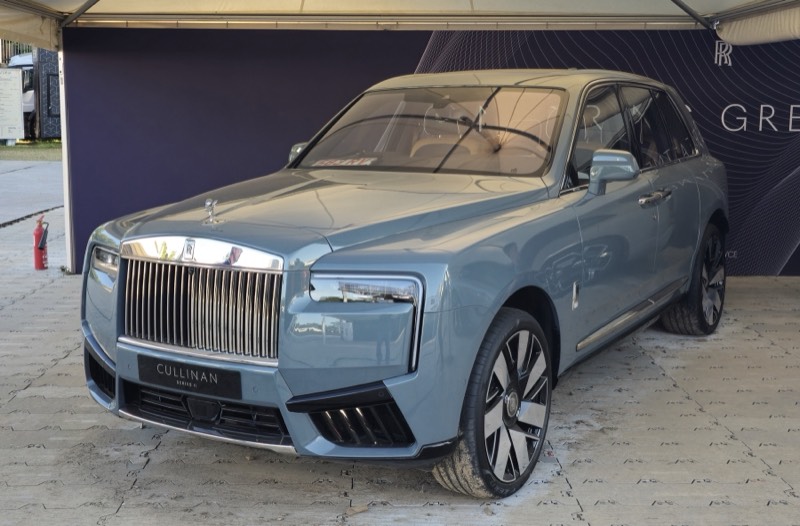
Rolls-Royce
United Kingdom · founded 1904
Read the brand →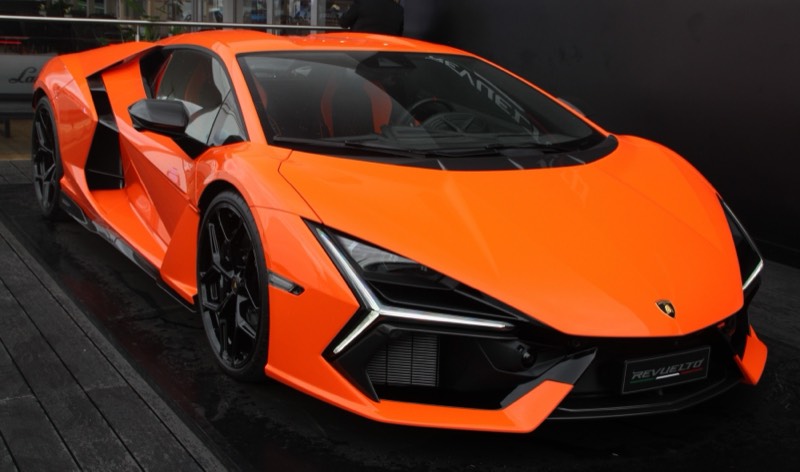
Lamborghini
Italy · founded 1963
Read the brand →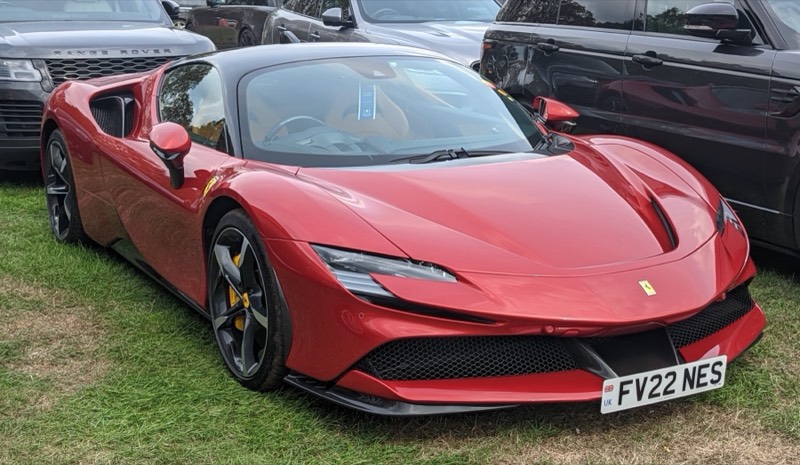
Ferrari
Italy · founded 1939
Read the brand →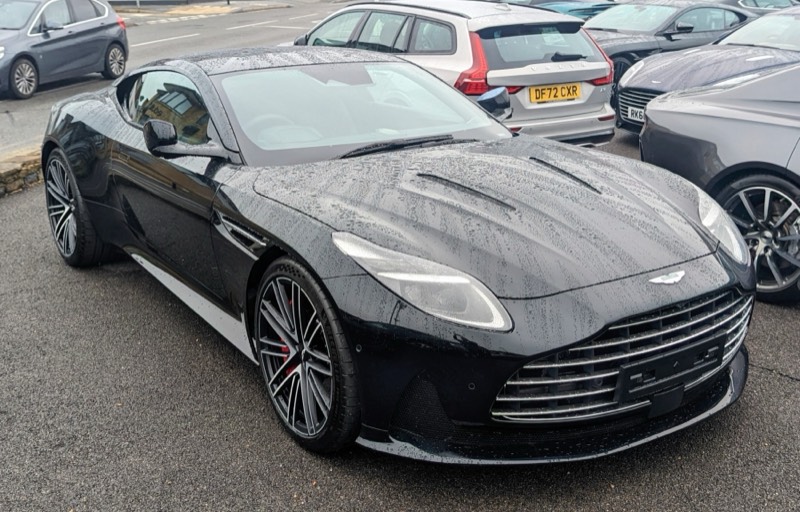
Aston Martin
United Kingdom · founded 1913
Read the brand →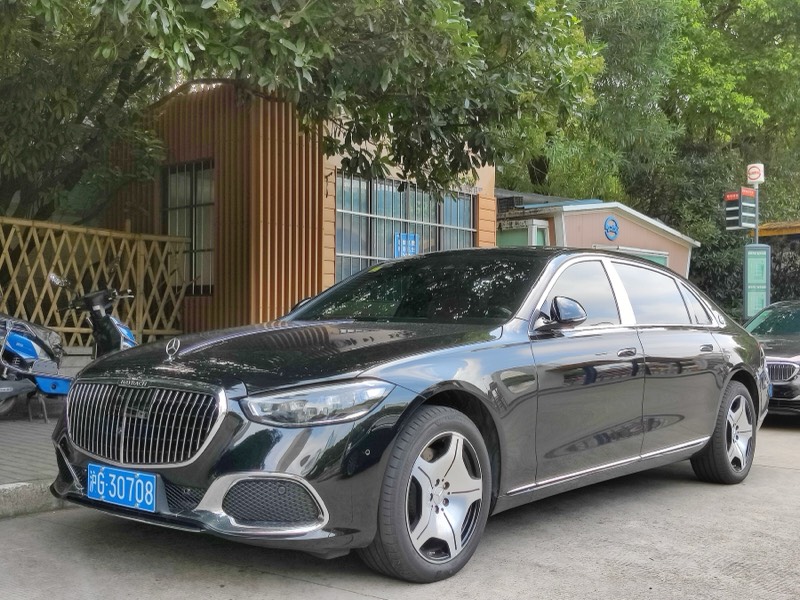
Mercedes-Maybach
Germany · founded 1909
Read the brand →