Hypercars.
The thousand-horsepower top of the market — limited production, allocation-controlled.

- Typical range$1000K – $25 million
- Marques6
- Models covered6
Segment definition
Hypercars are defined by three structural characteristics: thousand-plus-horsepower output as the segment's functional baseline, deliberately constrained production volumes (typically 50-500 units for a complete program), and allocation rules that operate through existing-customer-priority relationships rather than the dealer-walk-in retail model that defines the rest of the luxury-car market. Base pricing typically starts above $1 million and reaches into the $20-million range for the most-constrained programs (Bugatti La Voiture Noire, certain Icona-line Ferraris).
The segment's commercial logic differs from the rest of the luxury-vehicle market. Hypercar manufacturers do not chase volume; they constrain it deliberately to maintain the residual-and-allocation discipline that defines the segment's buying experience. Ferrari's Special Series and Icona cars, Lamborghini's Few-Off program, the Pagani Zonda and Huayra special variants, and the entire Bugatti and Koenigsegg product lineups all operate on this constraint logic.
Market shape
The hypercar buyer base is structurally narrow and structurally repeat. Globally, the segment serves perhaps 5,000-8,000 active collectors who hold the majority of meaningful inventory; the new-allocation conversation operates through long-standing dealer relationships and existing-customer status more than through demand-driven retail. Geographic concentration follows the broader ultra-luxury wealth pattern — Los Angeles, Miami, New York, the Bay Area, London, Geneva, Monaco, Dubai, Hong Kong, and Singapore are the primary metros where the segment's buyer base concentrates.
The US market specifically anchors a meaningful share of global hypercar volume. The Post Oak Motor Cars complex in Houston, the various Beverly Hills and Manhattan dealer organizations, the Naples / Miami Bugatti and Pagani presence, and the multi-marque ultra-luxury campuses in Newport Beach and Greenwich collectively define the country's hypercar dealer footprint. The dealer-relationship model is the productive entry point for buyers entering the segment.
Growth in the segment over the past decade has been driven less by new-buyer-base expansion than by per-buyer ownership-program depth. The buyers who entered through one marque's entry-level program (Bentley Continental GT, Ferrari Roma, Porsche 911 Turbo S) over the past 10-15 years have moved progressively up through marque ownership programs and now anchor the demand for the constrained allocation cars at the top of each marque's lineup.
Lineup across marques
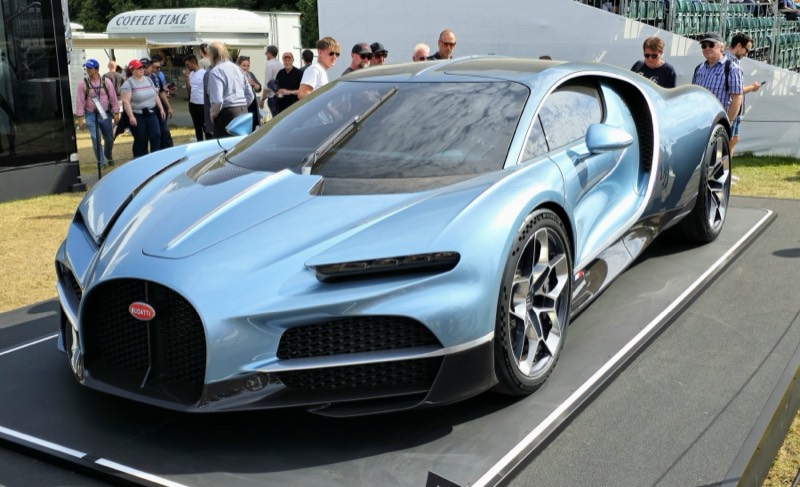
Bugatti — Tourbillon
The post-Chiron flagship — naturally-aspirated 8.3-liter V16 plug-in hybrid, 250-unit production, base price near $3.9M, deliveries running through 2026-2027. The first new platform under the Bugatti Rimac joint venture.
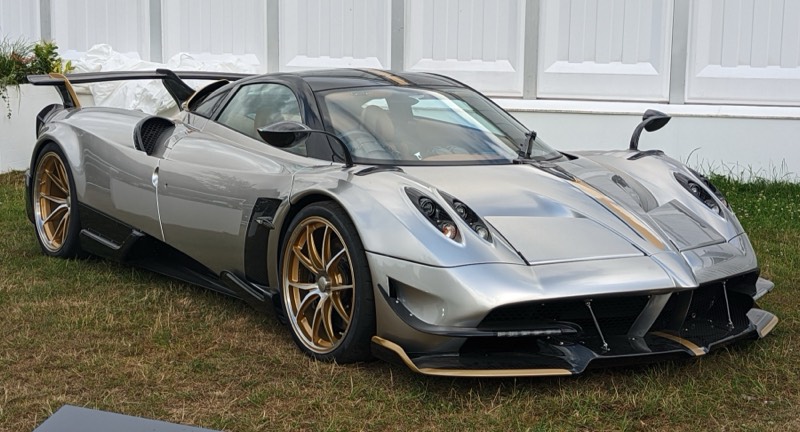
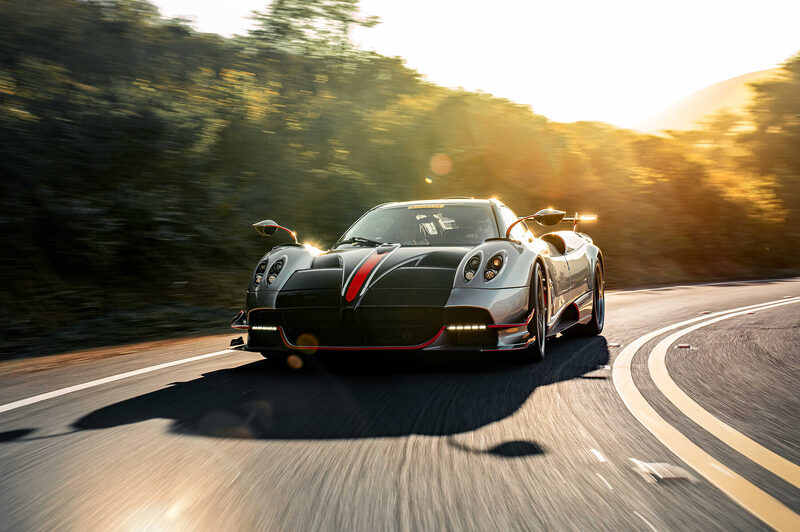
Pagani — Utopia
AMG-supplied 6.0-liter twin-turbocharged V12, available with seven-speed manual transmission, 99 coupes plus 130 roadsters announced. Independent family marque, San Cesario sul Panaro production.
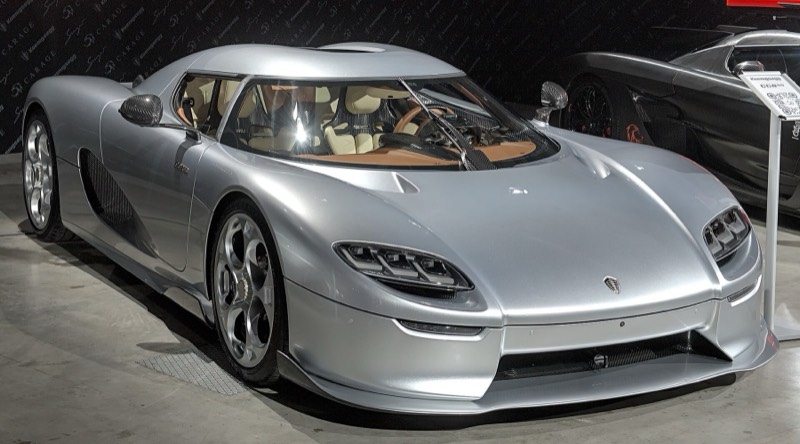
Koenigsegg — Jesko
In-house-developed 5.0-liter twin-turbocharged V8 with the Light Speed Transmission nine-speed multi-clutch gearbox. Available in Attack (max-downforce) and Absolut (top-speed) variants. ~125-unit total production split between variants.
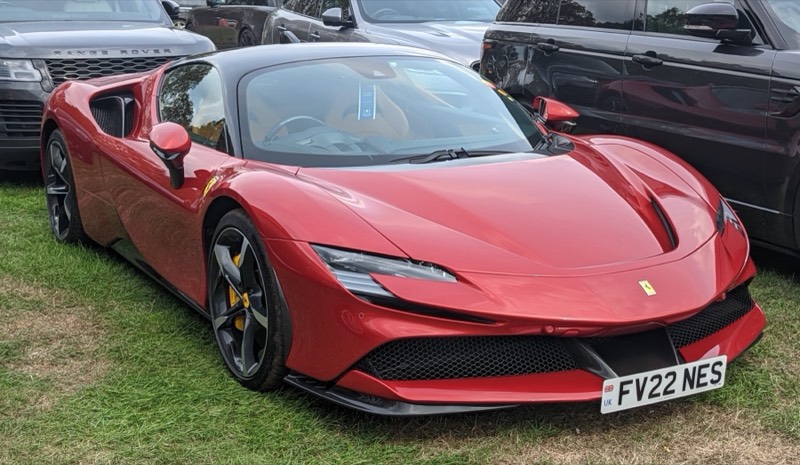
Ferrari — SF90 XX Stradale / SF90 XX Spider
The track-focused, limited-production variants of the SF90 plug-in hybrid. Special Series allocation, existing-customer-priority. The Icona line (Monza SP1/SP2, Daytona SP3) sits above this in the constrained-allocation hierarchy.
Lamborghini — Sián / Countach LPI 800-4 / Invencible (Few-Off program)
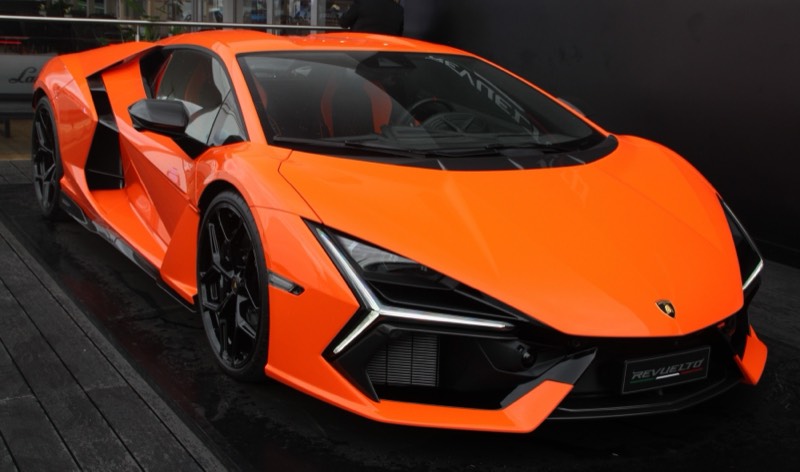
The marque's constrained-allocation hypercar stream, separate from the volume Revuelto and Temerario lineup. Existing-customer-priority allocation, multi-year specification timelines.
Aston Martin — Valkyrie / Valhalla
The Cosworth-supplied V12 hybrid Valkyrie program (production essentially closed) and the mid-engine V8 hybrid Valhalla (deliveries running through 2025-2026). Co-developed with Red Bull Advanced Technologies.
Ownership reality
Hypercar ownership economics differ from the rest of the luxury-vehicle market in two structural ways. First, depreciation typically operates closer to zero on the standard variants and firmly positive on limited specifications — these are not depreciation-driven buying markets, and the financial logic is closer to fine-art or collector-watch ownership than to standard-segment automotive economics. Second, service costs are at the top of the segment by orders of magnitude — annual service intervals run $20,000-$50,000+ at the manufacturer-authorized level, with major service items running materially higher.
Insurance for any modern hypercar is typically structured through specialist high-value-asset brokers (Hagerty, Chubb, Marsh) rather than market-value through standard carriers. Annual premiums in major US metros typically run $30,000-$100,000+ depending on driver profile, coverage, storage, and use case. Most hypercar policies are structured around exhibition, occasional road use, and transport rather than full general-driver coverage — full-use policies on a Bugatti or Pagani are uncommon and expensive.
The operational reality of hypercar ownership matters more than the headline number. Service network access, transport logistics, storage requirements (climate-controlled, security-rated), specialist tire-and-brake economics, and the multi-month-to-multi-year specification process for new commissions are typically more material to the long-term ownership experience than the comparison shopping that drives the rest of the luxury-car market.
Buying advice
For new-vehicle buyers entering the segment, the productive entry point is rarely the hypercar itself — it is the marque's volume program. Bugatti, Pagani, and Koenigsegg do not run accessible entry-level programs; the path into these marques runs through pre-owned acquisition first, then through the dealer-relationship development that opens the new-allocation conversation. Ferrari and Lamborghini's Special Series and Few-Off programs operate on existing-customer-priority allocation; first-time buyers enter through the standard lineup (Roma, 296, Urus, Temerario) and develop the relationship that opens the harder allocations.
For pre-owned buyers, the editorial reality is that this is not a depreciation-driven buying market. Standard-specification Veyrons, Chirons, Huayras, Zondas, and Agera-line Koenigseggs trade at multiples or near-MSRP for clean, low-mileage examples; the limited variants trade at substantial premiums to original MSRP. The buying conversation is provenance-and-specification-driven rather than mileage-and-price-driven.
The single highest-leverage diligence step on any hypercar acquisition is a specialist pre-purchase inspection plus a complete service-and-provenance review. The cost typically runs in the four-figure range; the work surfaces the ownership-history details that distinguish a sound car from a problematic one and is meaningful relative to the headline transaction value.
Cross-shop
Hypercar buyers cross-shop most actively against the Investment-Grade Classics segment — pre-war Bugatti Type 41 Royales, gated-manual 599 GTBs, Ferrari 250 GTOs, and similar tier-one collector-grade cars share buyer-base overlap with modern hypercar acquisitions. The cross-shop with conventional Supercars is meaningful but less common; buyers who can write the Bugatti or Pagani check are typically not also running active Ferrari 296 GTB or Lamborghini Temerario decisions.
Frequently asked questions
What's the difference between a hypercar and a supercar?
Production volume and allocation discipline as much as price or output. Supercars (Ferrari 296, Lamborghini Temerario, McLaren 750S) are built in volumes that allow standard dealer allocation conversations and retail availability. Hypercars are deliberately constrained — typical complete programs run 50-500 units total — and allocation operates through existing-customer-priority relationships rather than retail. The price band starts higher (typically $1M+) but the structural difference is the constraint logic, not the dollar figure.
Can a first-time buyer order a new Bugatti or Pagani?
In practice, very rarely. Both marques operate existing-customer-priority allocation, the new-program order books are filled through long-standing dealer relationships, and first-time buyers entering the segment typically do so through pre-owned acquisitions before the new-allocation conversation opens. The path is multi-year and relationship-driven rather than transactional.
How does hypercar depreciation work?
Differently from the rest of the luxury-vehicle market. Standard-specification Veyrons, Chirons, and Huayras have historically held their value firmly relative to MSRP. Limited variants (Veyron Super Sport, Chiron Super Sport 300+, Huayra Codalunga, the Bugatti Centodieci, Lamborghini Sián) have appreciated meaningfully over multi-year periods. The segment is not a depreciation-driven buying market — production volumes are deliberately constrained well below collector demand.
What does it cost to insure a hypercar?
Annual premiums in major US metros typically run $30,000-$100,000+ depending on driver profile, coverage, storage, and use case. Most policies are structured through specialist high-value-asset brokers (Hagerty, Chubb, Marsh) rather than market-value through standard carriers, and most are structured around exhibition, occasional road use, and transport rather than full general-driver coverage.
Where does the US hypercar dealer network concentrate?
The Post Oak Motor Cars complex in Houston is one of the most-developed multi-marque hypercar campuses in the country. Beyond Houston, the Beverly Hills, Newport Beach, Manhattan, Miami, and Naples markets anchor the dealer footprint. Greenwich and the broader Northeast extend the geography. Specialist brokers and the major auction houses (RM Sotheby's, Gooding & Company, Bonhams) cover the secondary market across all major metros.
How long is the wait for a new hypercar allocation?
Highly program-specific. The Bugatti Tourbillon (250 units) closed at announcement and runs through 2026-2027 deliveries. The Pagani Utopia coupe (99 units) and roadster (130 units) closed at announcement. Koenigsegg Jesko allocation has been substantially placed; the Gemera is the more-open current program. Ferrari Special Series and Icona allocation operates on existing-customer-priority and typically requires multi-year dealer relationships before the conversation opens.