The Pre-Purchase Inspection on a Used Exotic: What Gets Checked and What Findings End a Deal
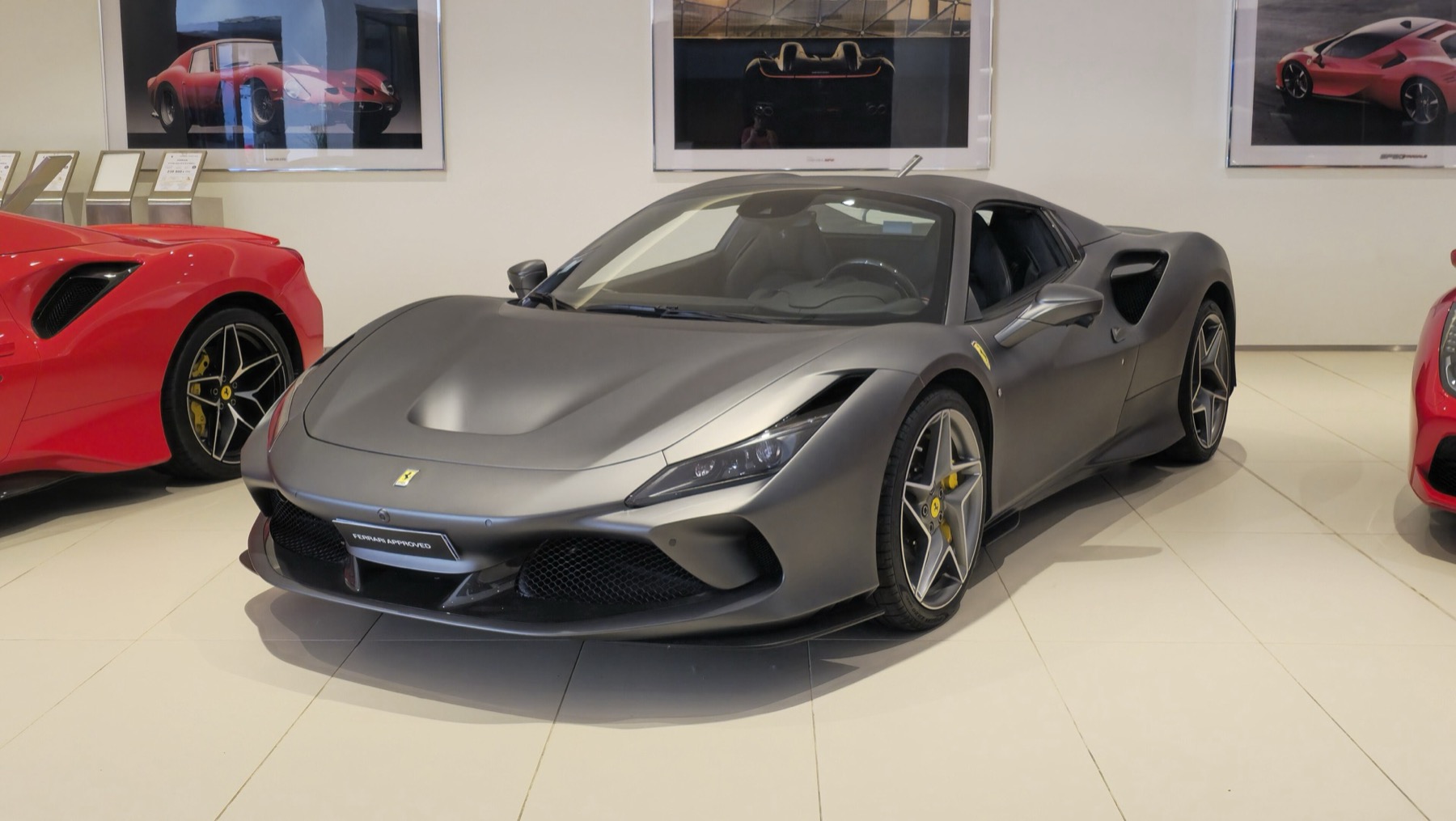
The
due-diligence instinct that governs every other six-figure decision — the survey before the house, the audit before the acquisition, the condition report before the auction bid — tends to go quiet at the exotic showroom door. The paint reads perfectly under the lights, the history file is thick and neatly tabbed, and the inspection begins to feel like an insult to a seller who has been generous with their time.That said, a history file records what someone chose to record, and showroom lighting is specified precisely for what it flattens. A pre-purchase inspection is the single point in the transaction where a technician with no interest in the outcome puts a camera inside the engine and a gauge on the paint.
The arithmetic is not close. A marque-specialist PPI generally runs $500 to $1,500 depending on depth, lift time, and whether borescope imaging is included (estimated; quotes vary by shop, region, and model), set against a purchase price that starts near $200,000 and climbs from there.
What A Clean History File Does And Does Not Tell You
Vehicle-history reports are assembled from insurance claims, police reports, title transfers, and registered service events. Accordingly, they are excellent at surfacing branded titles and total losses, and structurally blind to anything settled in cash.
Exotic bodywork is settled in cash more often than the market likes to admit, particularly for cosmetic damage on a car the owner intends to sell within the year. A privately arranged front-clip repaint in the region of $9,000 (estimated) leaves no trace in a database and a very clear trace on a paint gauge.
Service records deserve the same discipline. Parts-level invoices with line items, technician notes, and recorded mileage carry evidentiary weight that a stamped book does not, and that distinction is the whole substance of a provenance and history-file review.
The Mechanical Pass: What The Borescope Finds
The mechanical portion of a specialist PPI begins cold, which is why the appointment terms matter as much as the inspection itself. A car warmed up before the technician arrives conceals cold-start rattle, startup smoke, and any fault code that clears on a warm cycle.
Borescope imaging sits at the center of that pass. The technician removes the plugs and passes a camera into each cylinder to photograph the bore wall, piston crown, and valve faces — the only way to see combustion-chamber condition without removing an engine that costs five figures to pull and reinstall.
What the camera looks for is patterned rather than impressionistic: vertical scoring on the bore, oil wash on one cylinder and not its neighbors, coolant staining, and carbon deposits inconsistent with claimed mileage. Cylinder scoring on certain flat-six and V8 generations is a well enough established failure mode that specialist shops photograph every cylinder as standard practice instead of sampling one or two.
Compression and leak-down testing complete the picture the camera starts. A used-oil analysis adds fuel dilution and wear-metal data, though a single sample describes one service interval rather than a history.
Beyond the engine, the mechanical pass covers the items carrying the largest replacement exposure. These include but are not limited to:
- Clutch wear. On single-clutch automated manuals — Ferrari's F1 systems and Lamborghini's e-gear among them — the factory diagnostic tool reports a wear figure that converts directly into a negotiating number. On dual-clutch cars, engagement quality and adaptation values matter more than any single readout.
- Carbon-ceramic brakes. Composite rotors are assessed by weight against a factory minimum rather than by eye, and a full set replacement reaches five figures on many applications (estimated; obtain a written dealer quote for the specific model).
- Tires. DOT date codes, matched compounds across each axle, and marque-homologated markings — Porsche's N-rating being the most familiar — bear on both safety and the cost of correcting a mismatched set.
- Suspension and lift systems. Hydraulic nose-lift assemblies, adaptive dampers, and ride-height sensors are common failure points, and leaks announce themselves on a lift long before a warning reaches the dash.
- Cooling and fuel systems. Cars that sit accumulate a specific class of problem: degraded fuel, weeping seals, hygroscopic brake fluid, and on certain early McLaren models, fuel-cell service carrying a substantial parts bill (estimated).
Taken together, these items explain why a low-mileage garage car is not automatically the safer purchase. Mileage is one input; time, storage conditions, and use pattern are three more, and a used Huracán that has covered 4,000 miles in nine years deserves closer scrutiny of its seals and fluids than one that has covered 24,000 evenly.
The Body Pass: Paint Depth And Accident-Repair Tells
Paint-depth measurement is the fastest way to convert a suspicion into a map. The technician takes readings across every panel, including roof, jambs, and lower valances, and records them as a set rather than as isolated numbers.
Absolute figures matter less than the pattern, and this is where amateur interpretation goes wrong. Factory film thickness varies by marque, by panel, and by substrate — aluminum, steel, carbon fiber, and composite all read differently — so one high reading proves very little while a panel measuring several times its neighbors proves a great deal.
Once the map flags a panel, the inspection moves to corroboration. The tells are physical and specific:
- Fastener witness marks. Hood, fender, and door bolts leave paint witness on undisturbed cars, and a broken witness mark means the panel came off.
- Overspray. Door jambs, wheel-well liners, weatherstripping edges, and the underside of trim are where refinish work reveals itself.
- Glass date codes. Original glass carries consistent manufacturer markings and date stamps; one replaced windshield is routine, while a replaced quarter-glass on the same side as a high paint reading is a story.
- Panel gaps and alignment. Assembly tolerances at this level are tight enough that a gap out of family with its opposite side is meaningful.
- Structural evidence. Pulled or repaired chassis members, a repaired aluminum spaceframe, or work to a carbon tub performed outside the factory-authorized channel.
That final item belongs in a different category from the rest. Cosmetic refinish is a price conversation, whereas structural repair raises the question of whether the car can be made right at all — McLaren carbon MonoCell work, for instance, is confined to authorized facilities for good reason, and any tub repair lacking that documentation should be treated as unresolvable.
The Records And Electronics Pass
A specialist scan reaches every module rather than the powertrain alone. Stored and intermittent codes, airbag-module history, cleared-code counters, and evidence of an aftermarket ECU flash all live in memory that a pre-sale reset does not always reach.
Software and recall status should be pulled against the VIN at a franchised dealer regardless of who performs the inspection. Open campaigns are usually remedied at no charge, yet a campaign with no parts availability can immobilize a car for months.
Certification programs are worth understanding rather than trusting outright. Ferrari Approved, Porsche Approved Certified Pre-Owned, and their equivalents impose a real inspection standard and a warranty, and none of them substitutes for an independent examination the buyer commissions.
Factory maintenance coverage is the other records question with money attached. Ferrari's scheduled-maintenance program covers routine service for seven years from first delivery (Ferrari), which means an eight-year-old car is a materially different ownership proposition than a six-year-old one at the same asking price — the arithmetic that drives our used Ferrari 488 market analysis.
Deferred Service: The Bill That Arrives With The Keys
Every used exotic arrives with a maintenance position, and the purpose of this portion of the inspection is to convert that position into a number before money moves. A competent shop produces a costed list of everything due within the next twelve months, priced at its own labor rate.
The contents are predictable. Annual service and fluids, brake pads and rotors approaching minimum, tires past their date codes, a clutch reported at high wear, battery and tender condition, air-conditioning service, and belt-driven cam service on the generations that still use belts — an engine-out job on certain 1990s and 2000s V8s that arrives on a schedule rather than as a surprise.
A $600 annual service and a set of tires are ordinary. A five-figure deferred stack on a car advertised at full market money is a legitimate basis for repricing, and it is considerably easier to raise before a deposit than after.
Every finding a specialist puts in writing is a line item you can still price, argue, or walk away from — right up until the wire clears.
Findings That End The Deal
Not every adverse finding is fatal, and the discipline lies in knowing which ones are. The following justify walking regardless of how well the rest of the car presents:
- Cylinder scoring or bore damage. The remedy is an engine rebuild, the quote is unpredictable, and the disclosure follows the car permanently.
- Structural or chassis repair. Repaired tubs, pulled spaceframes, and any structural work performed outside the factory-authorized network.
- Flood or hydrolock evidence. Silt in seat rails and harness connectors, corrosion on fastener heads beneath carpet, and a musty HVAC signature.
- VIN and documentation discrepancies. Mismatched VIN stamps, odometer inconsistency across service invoices, or an import lacking complete federalization documentation.
- Undisclosed competition use. Drilled roll-bar mounts, harness-bar hardware, data-logger wiring, heat-cycled rotors, and an ECU still carrying track maps.
- Refusal of access. A seller who will not permit a lift, a borescope, or an independent shop has already answered the question.
Note that the common thread here is scope rather than severity. Each of these findings shares one property: the cost of putting it right cannot be bounded before purchase, and that is precisely the condition under which walking is the correctly priced decision.
Findings That Change The Price Instead
The larger category belongs in a negotiation rather than an exit. Wear items, cosmetic condition, and documented single-panel refinish are ordinary on cars of this age and use pattern.
Stone-chip repaint on a nose and leading edges is close to universal on any car that has actually been driven, and a well-executed front-clip refinish disclosed up front reads far better than a mystery panel. Curbed wheels, a worn clutch with a numeric readout, bolster wear, a tired battery, and weeping nose-lift seals are all quotable items.
Method is what makes them useful. Ask the inspecting shop for written quotes at its own labor rate, present those figures as the basis for the adjustment, and negotiate against documents rather than adjectives.
Keep in mind that the seller holds the same information the moment you share it. Buyers who intend to negotiate should decide in advance which findings they will trade and which they will not.
How To Commission The Inspection
Choose a shop that works on the marque daily. A general performance shop with strong reviews will miss the model-specific tells a specialist checks reflexively — which cylinders score, which module stores the informative code, which panel is routinely replaced after a low-speed impact.
Engage and pay the shop yourself. An inspection funded by the seller, or performed by the selling dealer's own service department, is a document with a conflict printed into it.
Settle the deposit terms in writing before anything is transferred. The standard structure is a refundable deposit held pending a satisfactory independent inspection, with a defined window and a defined threshold for what counts as satisfactory.
For a remote purchase, specify the deliverables in advance. A full report includes borescope stills for every cylinder, a paint-depth map by panel, undercarriage and lift photographs, a complete scan printout, compression or leak-down figures where applicable, and a costed findings list.
Finally, treat friction as information. Consignment sellers and volume dealers who resist transport to an independent shop are common, and that resistance is itself a finding you can act on.
Before You Wire
The inspection is the least expensive protection available in this market, and it is the only step in the process that produces evidence rather than impressions. On a $200,000 purchase, a $1,000 inspection represents roughly half a percent of the transaction and routinely separates a car that costs what you expected from one that does not.
Buyers working through a specific model or metro will find the same discipline applied across our coverage — the residual logic behind air-cooled 911 values, the ownership math in our gated-manual supercars analysis, and the marque-level buying playbooks at the Ferrari hub, the McLaren hub, and the Porsche hub.
You may want to consider commissioning the inspection before the emotional commitment rather than after. The findings are far easier to act on in that order.