Buying a Porsche in Los Angeles: Dealer Density, GT-Car Allocation and the California Registration Math
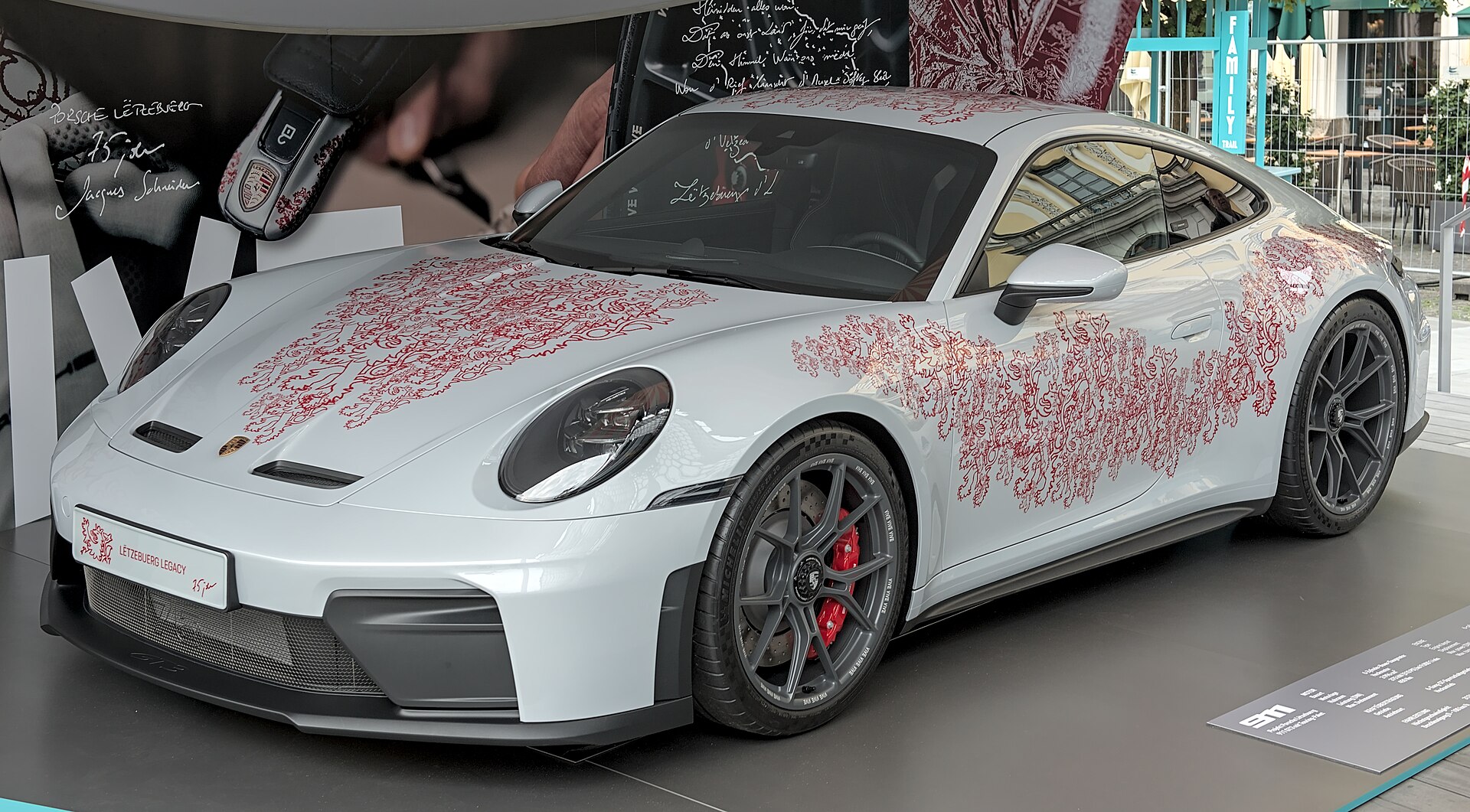
Few
American cities have shaped the modern Porsche market the way Los Angeles has, from the canyon roads above Malibu to the cars-and-coffee lots that fill every weekend morning. That said, the abundance that makes Southern California an easy place to admire a 911 also makes it a complicated place to buy one well.The metro's dealer network is dense, its GT-car demand is intense, and California layers a registration cost structure on top of the purchase price that few other states match. This guide sets out how those three forces interact, and where the Los Angeles buyer has leverage that a buyer in Dallas or the Bay Area does not.
The Southern California Dealer Map
The Los Angeles basin, Orange County, the Inland Empire, and Ventura County together form one of the densest concentrations of Porsche retail in the country. Exact store counts shift with ownership changes and new openings, so the most reliable current list is the dealer locator on Porsche Cars North America's own site rather than any published figure.
What matters more than the count is how the stores sort into submarkets. The Westside and Beverly Hills stores serve a clientele with long purchase histories and deep GT waitlists, while stores in the San Gabriel Valley, the Inland Empire, and the northern suburbs often draw a different mix of first-time and returning buyers.
For a buyer, that sorting has practical consequences that include but are not limited to:
- Inventory depth. Larger urban stores tend to carry more Carrera, Taycan, and Cayenne stock on the ground, which gives a buyer more room to negotiate on volume models.
- Waitlist length. The stores closest to the highest-income neighborhoods typically carry the longest GT queues, because their client lists were built first and have been compounding for years.
- Service relationships. Allocation conversations are easier at the store that already services your cars, since the service lane is where a sales manager sees how a client actually uses the product.
All of this adds up to a simple principle. In Los Angeles, the dealer you choose for your first new Porsche matters more than the price you pay for it.
How GT Allocation Actually Moves
Porsche Cars North America distributes GT production, such as the 992 GT3, GT3 Touring, and GT3 RS, to dealers based on factors the company does not publish in detail. Each dealer then decides which clients receive those build slots, and that decision is local, discretionary, and rarely explained in writing.
We cover the mechanics at length in our guide to Porsche 911 allocation, and the broader industry pattern in allocation reality. Here is how those mechanics play out specifically across Southern California.
The Relationship Ledger
Most Los Angeles stores weigh a client's purchase history, service history, and the likelihood that the car will be kept rather than flipped. Keep in mind that this ledger is store-specific, so a decade of Cayenne purchases at one dealer generally does not move you up a list at a dealer twenty miles away.
This is why experienced buyers in the metro tend to consolidate. They pick one store, buy their family's volume vehicles there, service everything there, and let the relationship accrue rather than spreading purchases to chase the lowest price on each car.
Market Adjustments
Whether a dealer adds a market adjustment above MSRP on a GT car varies by store, by model, and by the moment in the product cycle. Be aware that the adjustment, if any, is negotiated before the build slot is confirmed, and that a store's policy on one model does not predict its policy on the next.
If a store quotes an adjustment, the relevant comparison is the secondary market. When recent sold prices for comparable examples sit well above MSRP, a modest adjustment on a factory-fresh car with your chosen specification may still be the more rational path; when that spread narrows, the adjustment becomes much harder to justify.
Looking Beyond the Metro
Some Los Angeles buyers widen the search to dealers in other regions, where client lists may be shorter. Our Porsche guide to the San Francisco Bay Area and our Porsche buying guide for Dallas describe how allocation behaves in those markets.
Note that buying out of the metro does not change what you owe California at registration, which is the subject of the next section. It also means servicing the car somewhere other than the store that sold it, which can weaken the relationship you were trying to build.
The California Registration Math
The purchase price is only the first number on a California Porsche transaction. Sales or use tax, the vehicle license fee, and a set of smaller DMV fees together add a meaningful percentage to the cost of a new 911, and several of those items differ from what buyers in other states expect.
Sales Tax Follows Your Address
California's statewide base sales tax rate is 7.25%, and local district taxes stack on top of it. For vehicles, the California Department of Tax and Fee Administration (CDTFA) applies the district rate for the address where the car is registered, not the address of the selling dealer.
In practice, that means a Pasadena resident buying in Orange County still pays the Los Angeles County rate. According to CDTFA's published rate tables, unincorporated Los Angeles County moved to 9.75% when Measure A took effect on April 1, 2025, and several incorporated cities, including Santa Monica and Long Beach, levy additional district taxes that push the combined rate higher.
The table below illustrates the spread on an illustrative $150,000 transaction price. Rates are drawn from CDTFA's county base rates; always confirm the exact rate for your own registration address before signing, since city-level district taxes change.
| Registration address | Combined rate (CDTFA county base) | Tax on an illustrative $150,000 911 | |---|---|---| | Unincorporated Los Angeles County | 9.75% | $14,625 | | Unincorporated Orange County | 7.75% | $11,625 | | Unincorporated Ventura County | 7.25% | $10,875 |
The spread between those rows is real money on a six-figure car. However, a buyer cannot simply choose a lower-rate address; the registration must reflect where the car is actually garaged.
No Credit for the Trade
Many buyers relocating from Texas or other states are surprised by this point. California taxes the full selling price of the new vehicle and does not reduce the taxable amount by the value of a trade-in, per CDTFA guidance.
As a result, the economics of trading versus selling privately shift in California. On a GT car or a well-optioned Carrera, a private sale of the outgoing car can be worth the effort, particularly if the trade offer sits well below what comparable examples bring on the open market.
The Vehicle License Fee
The vehicle license fee is California's annual value-based charge, collected with registration renewal. It is set at 0.65% of the vehicle's value under the state Revenue and Taxation Code, with the value based on the purchase price and reduced each year on a DMV depreciation schedule.
On an illustrative $150,000 911, the first-year VLF works out to roughly $975. That amount declines as the car ages on the DMV schedule; the DMV's online fee calculator gives the exact figure for a specific car and is the number to rely on.
The Smaller Line Items
Beyond tax and VLF, a California registration includes a base registration fee, a California Highway Patrol fee, a value-tiered transportation improvement fee, and county-level fees. Individually these are modest, and the DMV fee calculator itemizes them for any specific vehicle.
New gasoline vehicles are also exempt from biennial smog inspections for their first eight model years, with an annual smog abatement fee paid instead. Keep in mind that a used 911 changing hands may still require a smog certificate at transfer, depending on its age.
The Used Market: Southern California's Real Advantage
Where Los Angeles genuinely favors the buyer is the pre-owned market. The absence of road salt means Southern California cars tend to arrive without the underbody corrosion common in snow-belt states, and the sheer size of the local Porsche population produces a deep supply of Porsche Approved CPO and private-party cars.
That said, a dry climate brings its own wear patterns. Sun exposure can fade interiors and degrade exterior trim, stop-and-go freeway traffic is hard on manual clutches, and the region's proximity to tracks such as Willow Springs and Buttonwillow means some cars have seen far more lapping than their mileage suggests.
For that reason, an independent pre-purchase inspection remains essential even on a certified car. Here is what a Porsche specialist should review on a Southern California 911:
- Overrev data on manual cars. The engine control unit records over-rev events by range, and a report showing missed shifts into the higher ranges warrants a closer look.
- Paint meter readings. Front clips and bumpers on canyon and track cars are often refinished after stone chips, which is not disqualifying but should be priced in.
- Track-wear indicators. Brake rotor condition, tire wear patterns, and alignment settings all reveal how a car has been used.
- Interior UV damage. Dashboard leather, seat bolsters, and rear-deck trim show the cumulative effect of years in the Southern California sun.
The result of that inspection becomes the basis for your negotiation. In a market this deep, walking away from a compromised example costs a buyer very little, because another comparable car is usually listed within reach.
For older cars, the same logic applies with even greater force. Our guide to the air-cooled 911 explains why condition and documentation drive value far more than mileage on those generations.
Timing and Financing in Los Angeles
The calendar affects the Los Angeles market in the same broad ways it affects the national one. Model-year changeovers, quarter-end volume targets, and the arrival of a new generation all shift dealer flexibility, as we describe in our guide to Porsche 911 buying timing.
Financing deserves its own attention in a high-tax state. Because sales tax is due on the full price regardless of trade, the amount financed is higher in California than in many states, and our exotic car financing guide covers how lenders treat taxes and fees on a vehicle at this level.
Editorial Recommendation
For the Los Angeles buyer, the strategy depends on whether the goal is a GT car or a well-specified Carrera. Our recommendations, in order of priority, are:
- Choose one store and commit to it. Allocation in Southern California rewards consolidated purchase and service history at a single dealer far more than it rewards price shopping across many.
- Price the full California cost before negotiating. District sales tax at your registration address, VLF, and the absence of a trade-in credit should all be modeled before you compare offers.
- Treat the trade-in as a separate transaction. Because California offers no tax credit on trades, a private sale of the outgoing car may net more.
- Use the used market's depth. Southern California supply lets a buyer insist on documentation, a clean inspection, and the exact specification wanted.
- Inspect for sun and track wear. Low corrosion does not mean low wear, and a specialist inspection is the only reliable read.
If you are comparing Porsche against other marques in the same metro, our guides to buying a Ferrari in Los Angeles and buying a Lamborghini in Los Angeles apply the same lens to their dealer networks. The registration math is identical; the allocation dynamics are not.
For broader coverage of the marque, including model guides and ownership economics, visit our Porsche marque hub.