Buying a Porsche in Dallas: Dealer Network, GT-Car Allocation, and What Texas Registration Costs
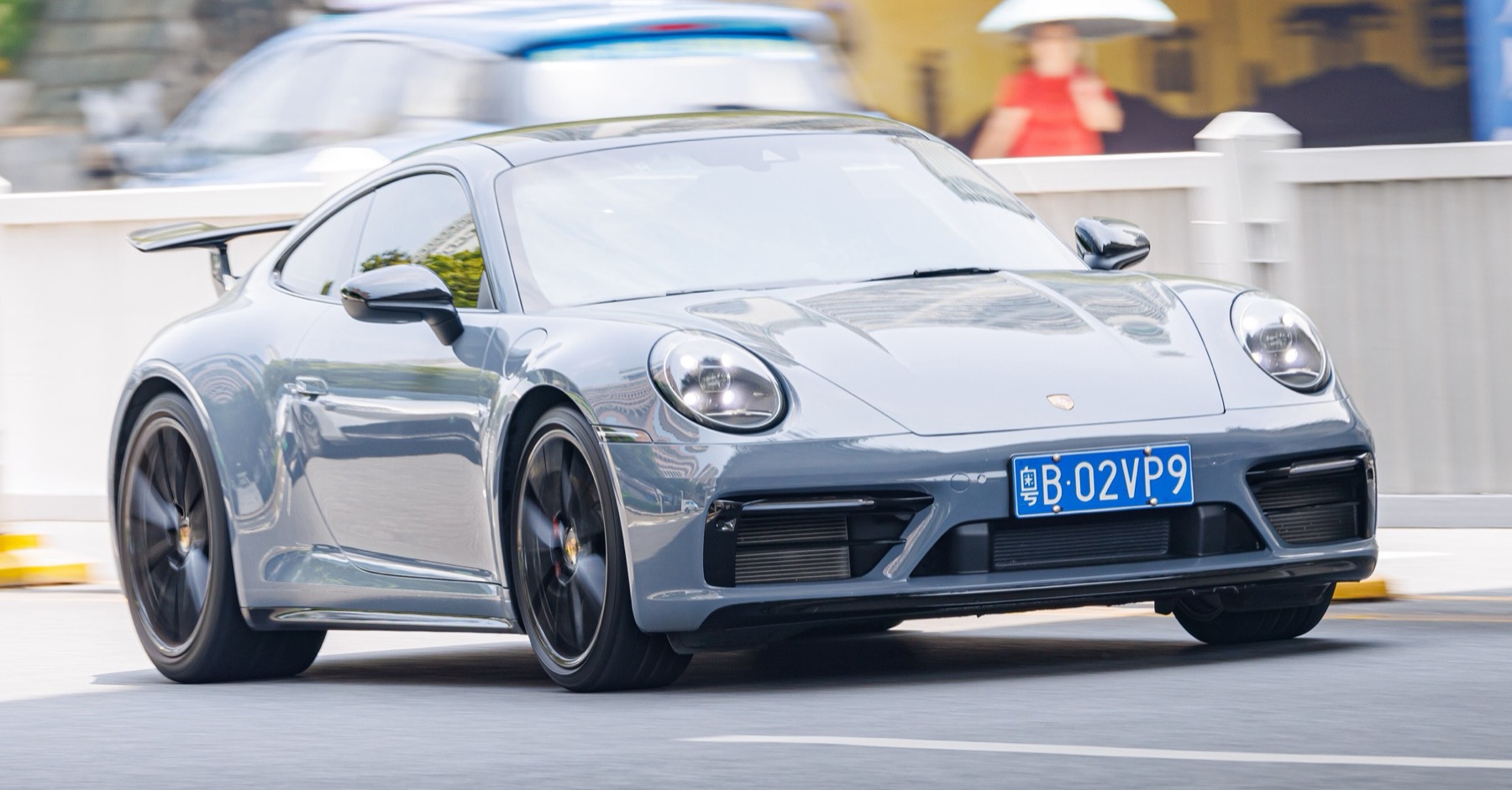
T
exas rewards a long horizon in a way the coastal markets do not. There is no state income tax, garage space is a construction decision rather than a lease negotiation, and the Dallas–Fort Worth buyer shopping a 911 is usually thinking in decades rather than in 39-month cycles.That said, the two variables that decide what a Porsche actually costs in this metro have very little to do with the car itself. They are the allocation list at whichever Porsche Center you have committed to, and the 6.25% motor vehicle sales tax the Texas Comptroller applies to whatever number lands on the buyer's order.
The Shape Of The Dallas–Fort Worth Porsche Network
Dallas–Fort Worth is one of the few American metros where a Porsche buyer has real geographic choice without leaving the region. Franchised Porsche Centers operate in Dallas proper, across the northern suburbs, and on the Fort Worth side of the metroplex — confirm the current roster on Porsche Cars North America's dealer locator, because stores change ownership groups more often than buyers expect.
That spread matters more than it first appears. Each store takes its own allocation from the importer, maintains its own client list, and sets its own retail price, which is how two Porsche Centers thirty minutes apart quote materially different terms on the same GT car in the same week.
The pattern will be familiar to anyone who has read our work on how Ferrari allocation behaves in Miami. The metro sets the temperature, and the individual store sets the price.
How Allocation Actually Works
Allocation flows from Porsche to the store, not from Porsche to you. A Porsche Center's share of GT cars is a function of its sales volume, its performance against manufacturer metrics, and its willingness to move the rest of the lineup — the Macans and Cayennes that carry the floor plan.
What happens after that is entirely local. A general manager or dealer principal distributes those slots among names on a list they maintain themselves, and no amount of correspondence with the importer changes a client's position on it.
The inputs stores weigh most heavily include but are not limited to:
- Purchase history at that specific store. Three cars bought through one Porsche Center count for considerably more than six spread across the metroplex, because the list is kept per store rather than per marque.
- Cars kept rather than flipped. A client who resold a GT car at a gain inside the first year is visible to the store, and that visibility tends to be expensive the next time a slot opens.
- Service and parts spend. The service drive is a profit center in its own right, and a client who brings the car back for maintenance reads as a documented relationship rather than a single transaction.
- Order behavior. Configured cars taken as built, on time, with the deposit funded when asked, read very differently from an order that gets renegotiated at delivery.
- What you took when nothing was scarce. The buyer who ordered a Cayenne or a Taycan during a soft quarter is remembered when a GT3 slot appears two years later.
All of these add up to the same conclusion: allocation is earned in the eighteen to thirty-six months before the car you want is announced, not in the week after. Our broader treatment of the gap between allocation myth and allocation reality applies cleanly to Porsche in North Texas.
Where Paint To Sample Changes The Conversation
Paint to Sample and Paint to Sample Plus are Porsche's factory custom-color programs, and both are capacity-limited by the factory each model year rather than available on demand. Confirm the current surcharge and the open color list with your Porsche Center, since both move between model years.
In practice, a PTS order does two things to your standing at a store. It raises the transaction value on a single unit, and it signals a build-to-keep buyer — the kind of order that is awkward to flip precisely because the color narrows the resale audience.
Of course, neither effect guarantees anything. Some stores read a PTS request as commitment while others read it as a lead-time problem on a slot they could turn faster in a standard color, so the honest move is to ask how that particular store treats it before you specify.
A six-speed GT3 in a factory custom color is the kind of build that holds its audience over time, a dynamic we cover in our survey of supercars still sold with a manual gearbox.
Market Adjustment: Who Sets It And Why It Varies
Porsche Cars North America publishes MSRP. The franchised store sets the retail price, and any adjustment above MSRP appears as a line on the buyer's order or on a dealer addendum sticker beside the Monroney label.
That structure is why the spread across North Texas is so wide. An allocation client with history at one store may buy a GT car at MSRP, while the same car offered to an unknown buyer — or resold on the open market — carries whatever adjustment the store sets against demand that month.
Keep in mind that Texas treats a market adjustment as part of the sales price rather than as a fee. Accordingly, it is taxed along with everything else on the order.
The Texas Tax Math On A 911
The Texas Comptroller sets motor vehicle sales tax at 6.25% of the sales price, less any trade-in allowance when the trade goes to the same licensed dealer. On a $200,000 negotiated price with no trade, that is $12,500 added to the out-the-door figure.
The trade-in credit is where the number genuinely moves. Put a $60,000 vehicle in on the same deal and the taxable base drops to $140,000, for $8,750 in tax — a $3,750 difference created entirely by structuring the trade through the dealer rather than selling privately first.
Run the same arithmetic on the adjustment. A $50,000 addendum on a GT car is not a $50,000 decision; at 6.25% it carries $3,125 in additional tax, so the real delta against an MSRP allocation elsewhere is $53,125 before any dealer fees.
Note that Porsche's published MSRPs move by model year, and the 911 range spans a wide band from the Carrera through the Turbo S and the GT cars. Price your specific build on Porsche's configurator rather than working from a remembered figure, then apply the rate to the actual negotiated total.
Title, Registration, And The Rest Of The Sheet
Texas title application runs $28 or $33 depending on the county, and base registration for a passenger vehicle is $50.75 before local county fees, automation and processing charges, and the state's inspection program replacement fee (TxDMV). Budget under $200 for the state's portion on top of the sales tax.
The dealer documentary fee is a separate matter, set by the dealer rather than by a single flat statutory cap, so it belongs on your list of line items to confirm in writing. Buyers structuring the purchase with a lender should read our guide to financing an exotic or high-value car before the deposit, because approval terms quietly shape how much negotiating room the sales price has.
If You Are Relocating To Texas With The Car
Texas treats an incoming resident very differently from a Texas buyer. A new resident bringing in a vehicle previously titled in their own name in another state pays a $90 new resident tax per vehicle rather than the 6.25% motor vehicle use tax (Texas Comptroller), and registration is due within 30 days of establishing residency.
For anyone moving with more than one car, that distinction is the largest single number in this article. A three-car collection brought into the state correctly is a $270 event, where the same three cars purchased in Texas would each be taxed at 6.25%.
Buying Private-Party In Texas
Private-party purchases are still taxed at 6.25%, but the base is the greater of the price actually paid or 80% of the vehicle's standard presumptive value as published by the state. A below-market private deal therefore does not automatically produce a below-market tax bill.
Standard presumptive value does not apply to vehicles 25 years old and older, which changes the arithmetic considerably on older cars — relevant to anyone shopping the air-cooled 911 market. For a late-model car bought used rather than ordered, our analysis of the best model years in the used 911 Turbo S market is a more productive starting point than a GT list you have not yet earned a place on.
The Dallas Playbook
Our editorial recommendation for a Dallas–Fort Worth buyer:
- Pick one store and concentrate. Allocation is tracked per Porsche Center, so consolidating two or three purchases at one store beats spreading the same spend across the metroplex.
- Buy the unglamorous car first. A Macan, Cayenne, or Taycan taken in a soft quarter is the cheapest allocation currency available to a new client.
- Get every number in writing before the deposit. Sales price, adjustment, documentary fee, and estimated tax and title, presented as one out-the-door figure on the buyer's order.
- Ask about the resale agreement up front. Terms are store-specific rather than a Porsche-wide policy, so read them while you still have leverage instead of at delivery.
- Model the tax as part of the spec. At 6.25%, every option package and every dollar of adjustment carries its own tax, which is worth knowing while the build sheet is still open.
Before You Commit
A Porsche bought well in Dallas–Fort Worth comes down to a relationship with one store plus a tax calculation you can run yourself. Neither half is mysterious, and both reward the buyer who starts eighteen months early.
If you are weighing a specific build, a specific store, or an ordered car against a used one already on the ground, work the figures against manufacturer MSRP and the Comptroller's published rate before you take a call about an allocation. Verify current fees with TxDMV and your county tax assessor-collector, since local amounts vary across the metroplex.