The best year to buy a used 911 Turbo S, with the data behind it
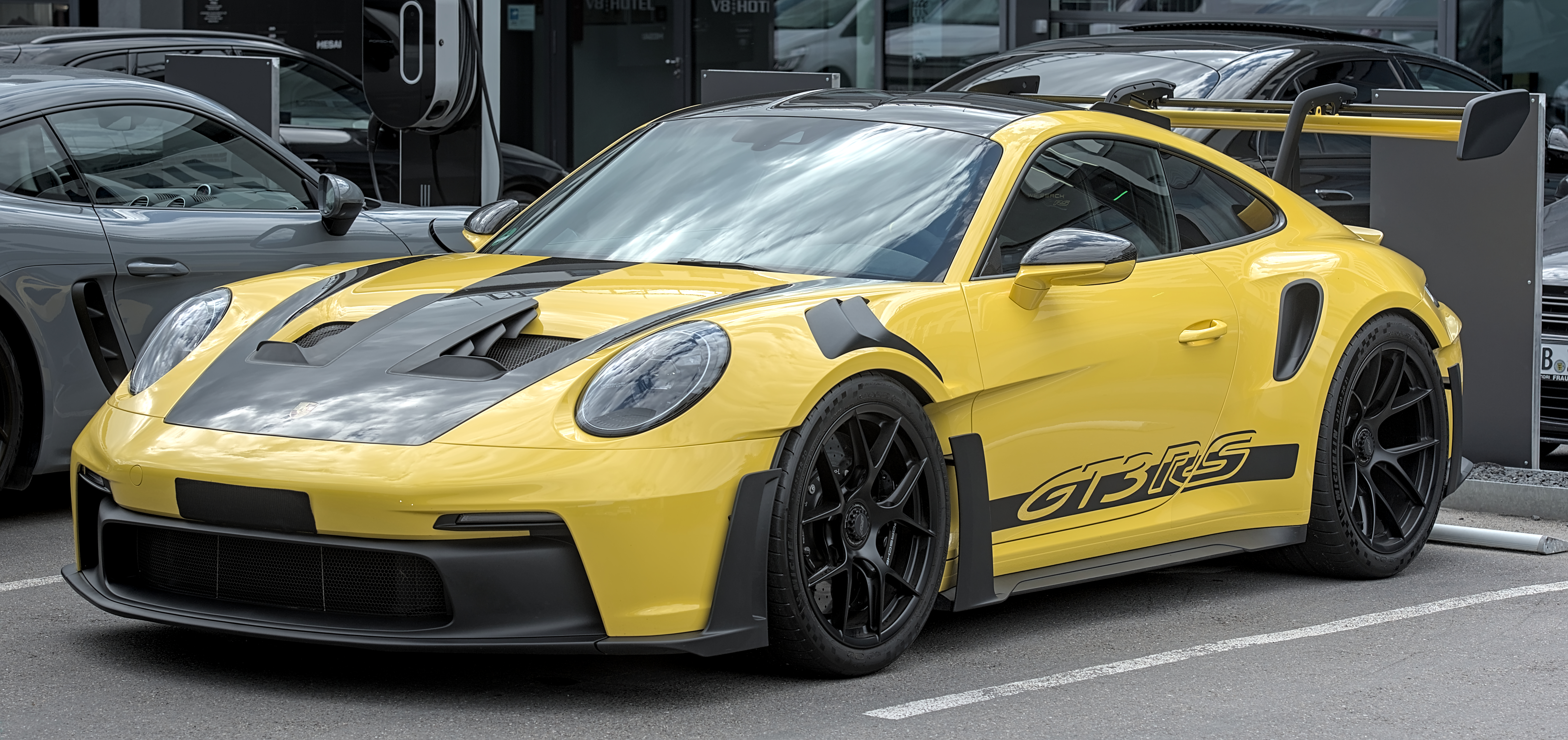
The 911 Turbo S is one of the more-defined pre-owned propositions in the segment. Three generations of car (991.1, 991.2, 992), three distinct depreciation curves at different points of maturity, and a specification-driven residual logic that rewards careful option-list reading more than mileage chasing. For buyers entering the Turbo S market in the secondary segment, the productive question is which generation, at which option specification, fits the use case.
This piece walks through the three modern Turbo S generations on the residual-and-specification axis that matters for the buying decision. It does not address the earlier 996 Turbo or 997 Turbo lineage in detail; those cars sit in early-modern-classic territory and operate on different residual logic than the modern Turbo S generations.
The three modern Turbo S generations: where each sits in 2026
The 991.1 Turbo S (production years 2014-2016) launched the modern Turbo S formula — 3.8-liter twin-turbocharged flat-six, all-wheel-drive, 7-speed PDK dual-clutch transmission, roughly 560 horsepower and 553 lb-ft of torque. The 991.1 was the first Turbo S generation built exclusively as a PDK car; the manual-transmission Turbo lineage ended with the 997 Turbo. The 991.1 launched at MSRPs running roughly $182,000-$197,000 depending on coupe-or-cabriolet and option specification.
The 991.2 Turbo S (2017-2019) is the refreshed second-half of the 991 generation — the same fundamental architecture as the 991.1 but with output increased to roughly 580 horsepower (with dynamic boost producing higher peak torque), revised aerodynamics, refreshed interior electronics including the larger center display, and a meaningfully refined chassis tune. The 991.2 launched at MSRPs running roughly $189,000-$216,000 depending on coupe-or-cabriolet and option specification.
The 992 Turbo S (2020 onwards) is the current-generation car — a substantially redesigned platform with the 3.8-liter twin-turbo flat-six in higher tune (640 horsepower, 590 lb-ft), the 8-speed PDK gearbox, more-aggressive aerodynamics, and the wider body that the 992 Turbo and Turbo S now share. Current-model-year MSRPs sit in the $215,000-$250,000 range depending on specification.
In 2026, the 991.1 Turbo S has been in the secondary market for roughly seven to twelve years; the 991.2 Turbo S for roughly seven to nine years; the 992 Turbo S for roughly four to six years. Each generation's depreciation curve has matured to a different point. That maturity gap is what drives the editorial sweet-spot conclusion.
991.2 Turbo S: the editorial sweet spot
The 991.2 Turbo S at 2026 is the buyer's case study in a mature-but-current depreciation curve. The cars are seven to nine years old depending on production year — old enough that depreciation has run through its steep period and stabilized, young enough that the 992 generation has not made the 991.2 read dated. Mechanical maturity is well-established; the 3.8-liter twin-turbo flat-six in the 991.2 specification is one of the most-reliable Porsche flat-six engines of the modern era and is well-supported by both the authorized dealer network and the deep independent specialist community in every major US metro.
Pricing on the 991.2 Turbo S in 2026 typically runs in the 50-65% of original MSRP range for clean, well-specified examples. The variability is meaningful: a 991.2 Turbo S with the right option specification (Sport Chrono Package, Sport Exhaust, PCCB carbon-ceramic brakes, the lightweight Sport Package on the rare cars that received it, central-lock RS Spyder wheels, popular paint such as GT Silver Metallic or Carrara White) sits at the upper end of the range; cars with limited options, common paint without PTS specification, and standard alloy wheels sit closer to the lower end.
The Lightweight Sport Package is the option list that produces the clearest residual differentiation on the 991.2 Turbo S. The package — featuring the Sport Chrono Plus electronic package, the lightweight chassis-and-aerodynamics specification, and the bespoke interior trim — was specified on a small percentage of total 991.2 Turbo S production and the cars trade at premiums that reflect their limited availability. For buyers prioritizing residual stability, a Lightweight Sport Package 991.2 Turbo S is the editorially right specification within the generation.
The 991.2 Turbo S Cabriolet operates at meaningful discounts to the coupe — typically 5-15% lower at equivalent specification. The cabriolet is editorially less compelling for buyers prioritizing chassis dynamics; for buyers prioritizing the open-top experience, the cabriolet at the lower price point is the more-accessible entry. For California, Florida, and other warm-climate markets, the cabriolet question is meaningful and the discount represents real opportunity.
991.1 Turbo S: the more-accessible alternative
The 991.1 Turbo S in 2026 has been in the secondary market for ten to twelve years and sits at the depreciation floor for most specifications. Pricing typically runs in the 45-55% of original MSRP range for clean, well-specified examples — a meaningful step down from the 991.2 generation but with measurably different specification and refinement.
The 991.1 is mechanically very similar to the 991.2 — same fundamental engine architecture, same all-wheel-drive system, same 7-speed PDK transmission. The differences are the lower output specification, the older interior electronics, and the slightly less-refined chassis tune. For buyers prioritizing the Turbo S experience at the lower entry price, the 991.1 delivers most of what the 991.2 delivers at meaningfully lower per-year ownership economics.
The 991.1 Turbo S has a small but documented set of service items that buyers should address through inspection — the rear main seal on certain production years, the central PDK service interval, and routine flat-six service at the 60,000-mile and 90,000-mile marks. None of these are catastrophic; all are knowable and well-documented in the specialist service community. A pre-purchase inspection by a Porsche-experienced specialist is the right diligence step on any 991.1 Turbo S outside warranty.
992 Turbo S: still inside the steep curve
The 992 Turbo S in 2026 has been in the secondary market for roughly four to six years depending on production year. Depreciation has run through the typical first-three-year decline; cars are sitting at roughly 65-80% of original MSRP for clean, well-specified examples. The curve has not yet reached the floor — the 992 generation will likely produce another one to three years of meaningful depreciation before the residual stabilizes.
The 992 Turbo S is the right car for buyers who specifically want the current-generation specification — the wider body, the more-aggressive aerodynamics, the higher output, the 8-speed PDK gearbox, the most-current Porsche electronic-and-driver-aid suite. The price-to-residual math is less favorable than the 991.2 sweet spot in 2026; buyers should accept the higher per-year cost of being in the front half of the depreciation curve as the trade-off for current-generation specification.
For buyers willing to wait, the 992 Turbo S in 2027-2028 will likely sit at residuals comparable to where the 991.2 Turbo S sits today. The trade-off is two more years of waiting, the ongoing march of the 992 lineage toward the 993 (or whatever the next-generation 911 will be designated), and the typical timing of allocation conversations on whatever the next-generation Turbo S looks like.
Specification matters more than mileage
On all three Turbo S generations, the option specification is the dominant variable on residual outcomes — mileage matters but matters less than buyers from outside the marque expect. A high-mileage 991.2 Turbo S in popular paint with the right options (Sport Chrono, Sport Exhaust, PCCB, central-lock RS Spyder wheels) often trades stronger than a low-mileage car in unpopular paint with limited options.
The options that produce the clearest residual differentiation across all three generations:
- Sport Chrono Package. The launch-control function, the dial on the dash, and the chassis-tuning differentiation — effectively standard buyer expectation on a Turbo S.
- Sport Exhaust. Audible and visible (the larger tailpipes); a meaningful residual lift on later resale.
- PCCB carbon-ceramic brakes. A six-figure replacement-cost line item but a strong residual-and-specification signal on the secondary market.
- Lightweight Sport Package (991.2 only). Limited-production specification that produces a meaningful residual premium.
- Central-lock wheels (typically RS Spyder design). A strong residual signal even though they require specific tooling for tire service.
- Burmester high-end audio. A six-figure-buyer expectation that reduces residual on cars without it.
- PTS (Paint to Sample). Variable — well-chosen PTS colors lift residuals; poorly-chosen PTS can compound depreciation.
Color and paint: the variable that buyers most often get wrong
Paint choice on a Turbo S compounds residuals more than buyers from outside the marque expect. Popular standard colors — GT Silver Metallic, Carrara White, Jet Black, Agate Grey, Lava Orange (on certain generations) — sit at the firmest residual end of the spectrum. PTS (Paint to Sample) cars in well-chosen colors lift residuals; PTS cars in poorly-chosen colors compound depreciation in ways that are difficult to recover from.
For first-time Turbo S buyers in the secondary market, the safe path is a popular standard color with the right options. The temptation to chase a cosmetically-distinctive PTS car is real but the residual exposure is meaningful — the wrong PTS color on a 991.2 Turbo S can produce a 15-25% residual penalty over the same car in GT Silver Metallic. The PTS opportunity is for buyers planning longer ownership cycles where the cosmetic differentiation matters more than the eventual exit price.
Pre-purchase diligence on a Turbo S
The Porsche specialist service community is the deepest in the modern luxury-car market, and pre-purchase inspection is correspondingly mature. A specialist inspection on a Turbo S typically runs $400-$1,500 depending on metro and depth, surfaces the service-history gaps and mechanical-condition concerns that the marketing photographs do not show, and is the right diligence step on any pre-owned Turbo S outside warranty.
The specific items to address on inspection are well-documented for each generation — rear main seal patterns on certain 991.1 production years, PDK service-history verification, brake-system condition (carbon-ceramic life remaining is a four-figure-to-five-figure variable), tire condition (the wheels and tires alone are a multi-thousand-dollar service line on a Turbo S), and the electronic-system status that the standard CPO inspection sometimes misses. For buyers entering at the Porsche Approved CPO level, the manufacturer-backed warranty provides a meaningful additional layer beyond the specialist inspection.
The 911 Turbo S in the pre-owned market in 2026 is one of the more knowable buying conversations in the segment. The depreciation curves on the three modern generations are well-defined, the option specifications that drive residual outcomes are documented, and the diligence steps that produce consistent buying outcomes are clear. The 991.2 Turbo S at the right specification is the editorial sweet spot for buyers entering the marque now; the 991.1 is the more-accessible alternative; the 992 is for buyers prioritizing current-generation specification over residual economics.
For Porsche brand-level coverage and broader lineup context, see the Porsche brand hub. For city-specific dealer routing and independent-specialist coverage, see the relevant city pages.