The Best Year to Buy a Used Bentley Bentayga: W12 Launch Cars, the 2021 Facelift and Where the V8 and Hybrid Sit
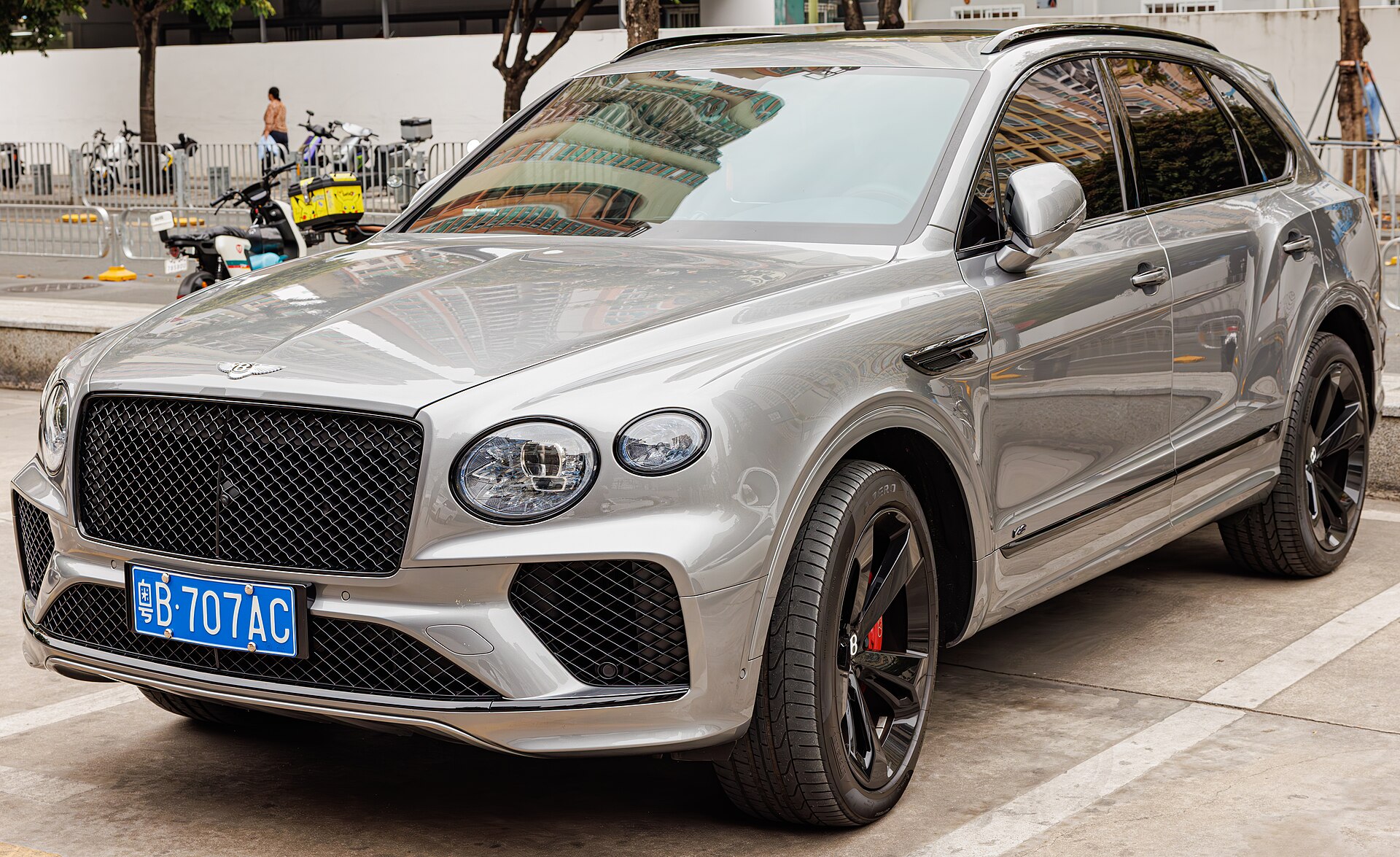
Few
luxury segments have changed as quickly as the one the Bentayga opened in 2016, when Bentley put a twelve-cylinder engine and a hand-finished Crewe cabin into an SUV body. That said, the Bentayga a buyer finds on the used market today ranges from early W12 launch cars to late facelifted V8s, Hybrids and Speeds, and those cars sit at very different points on the depreciation curve.This guide sorts that lineup by model year and powertrain. Keep in mind that every value range below is a Marque estimate, labeled as such, and should be checked against current KBB and Edmunds valuations and live dealer listings before any transaction.
How The Bentayga Lineup Evolved
Before comparing values, it helps to know which car arrived when. The US timeline breaks into a few distinct phases:
- 2017–2018: W12 only. The Bentayga launched in the US with a 6.0-liter twin-turbo W12 rated by Bentley at 600 hp and 664 lb-ft, at a launch MSRP of approximately $229,000 before options.
- 2019: V8 arrives. A 4.0-liter twin-turbo V8 rated at 542 hp and 568 lb-ft joined the lineup at a base MSRP of approximately $165,000, per Bentley US pricing at the time.
- 2020: Hybrid and Speed. The plug-in Bentayga Hybrid paired a 3.0-liter V6 with an electric motor, while the W12 Bentayga Speed raised output to 626 hp.
- 2021: The facelift. New front and rear styling, a 10.9-inch touchscreen, a redesigned steering wheel and reworked rear seating with more legroom.
- 2023 onward: EWB and the end of the W12. The Extended Wheelbase arrived as a V8-only model, and Bentley ended W12 production in 2024.
All of this matters because each phase carries its own residual logic. As a result, two Bentaygas listed at similar prices can represent very different ownership propositions.
Where Depreciation Sits By Model Year
The Bentayga follows the pattern Bentley buyers will recognize from the used Continental GT market: a steep drop over the first three to four years, then a flattening. The ranges below express estimated retained value as a share of original window-sticker price for clean, well-specified examples with documented history.
- 2017–2018 W12. Estimated 30–40% of original MSRP retained. These are the least expensive Bentaygas on the market, and the price reflects both age and twelve-cylinder running costs.
- 2019–2020 V8 (pre-facelift). Estimated 45–60% retained. The V8 entered at a lower price point and has generally held a larger share of it.
- 2020–2021 Hybrid. Estimated 40–55% retained. Plug-in luxury models have historically softened faster than their combustion siblings, and the Bentayga Hybrid is no exception.
- 2021–2022 V8 (facelift). Estimated 55–70% retained. This is where the curve begins to flatten while the car still feels current inside.
- 2020–2024 W12 Speed. Estimated values vary widely by year and specification. Late cars carry some end-of-era interest, which makes them difficult to benchmark.
All of these figures are estimates and move with mileage, specification and region. Accordingly, treat them as a starting frame, then pull model-year comps from KBB, Edmunds and dealer inventory before you negotiate.
The W12 Launch Cars: 2017–2020
The early W12 Bentayga is the most car for the least money in the range. It delivers the full twelve-cylinder experience, and for many buyers that engine is the reason to own the model in the first place.
However, the launch cars carry tradeoffs that a lower asking price does not fully erase. The pre-facelift infotainment screen is smaller and feels dated beside current systems, and the rear seat package is less accommodating than the 2021 update.
What's more, a W12 has more of everything to maintain: more cylinders, more ignition components and a denser engine bay. Service costs on these cars should be budgeted as an estimate and confirmed with a Bentley dealer or a qualified independent specialist before purchase.
The launch cars also introduced Bentley Dynamic Ride, a 48-volt electric anti-roll system that keeps the body flat in corners. It works well when healthy, though it is one of the systems a pre-purchase inspection (PPI) should check carefully on a car of this age.
The 2021 Facelift: Why It Changes The Math
The 2021 facelift is the dividing line in the used Bentayga market. Bentley revised the front and rear styling, introduced a 10.9-inch touchscreen, fitted a new steering wheel and reworked the rear seats to add legroom.
For a car that many owners use with passengers, that rear-seat change is more than cosmetic. In fact, it closes much of the space gap that buyers noted against larger rivals in our Bentayga, Cullinan, Urus and Purosangue comparison.
Note that the facelift also reshaped the powertrain lineup. From 2021, the standard Bentayga was offered as a V8, and the W12 remained available only in the Speed.
Where The V8 Sits
The V8 is the powertrain most buyers should start with. It is lighter in the nose than the W12, it delivers performance most owners will never exhaust, and its running costs are generally lower.
Pre-facelift 2019–2020 V8 cars are the lowest-cost route into that engine. Of course, they keep the earlier cabin and smaller screen, which is where the facelifted cars earn their premium.
The 2021–2022 facelifted V8 is where the value math aligns. The steepest depreciation has passed, the interior and technology still feel current, and a well-documented example may still have Certified Pre-Owned eligibility depending on age and mileage.
Keep in mind that specification drives a large part of the spread. Mulliner trim, the Touring Specification, Naim audio and individual paint can each move a Bentayga's asking price, and the original window sticker is the best way to compare like with like.
Where The Hybrid Sits
The Bentayga Hybrid is the most specialized car in the range. It suits an owner with home charging and a short daily drive, who can make use of its limited electric-only range around town.
That said, the Hybrid's softer residuals cut both ways. The lower entry price is attractive, yet buyers should expect the same pattern to continue when they eventually sell, which is a dynamic covered in our note on thin-data depreciation.
Before committing, ask the selling dealer for a battery health report and any high-voltage system service records. Remember that a plug-in that has spent years unplugged has not delivered the ownership experience it was designed for.
The Speed And The End Of The W12
The W12 Bentayga Speed occupies its own corner of the market. With 626 hp, it was the performance flagship of the range, and after 2021 it was the only way to buy a new Bentayga with twelve cylinders.
Because Bentley ended W12 production in 2024, late Speed examples carry some end-of-era appeal. However, buyers should treat any collector upside as speculative rather than a reason to stretch the budget.
For buyers weighing the Speed against other performance SUVs, our performance SUV comparison and the used Lamborghini Urus guide frame the alternatives at a similar price.
What To Check Before You Buy
Regardless of year or powertrain, a Bentayga is a complex car, and the inspection is where the real savings are made or lost. A thorough PPI by a Bentley dealer or a qualified specialist should cover, including but not limited to:
- Service history. Look for complete, stamped records at Bentley dealers or recognized specialists, with annual service intervals respected.
- Air suspension. Check ride height consistency, compressor operation and any fault codes.
- Bentley Dynamic Ride. Confirm the 48-volt anti-roll system is fault-free and any related service bulletins have been completed.
- Open recalls. Run the VIN through the NHTSA recall database and confirm completion with the dealer.
- Electronics. Test the infotainment system, cameras, seat functions and climate controls, which are expensive to diagnose after purchase.
- Hybrid-specific checks. For the Hybrid, request battery health data and charging system records.
All of these checks protect your purchase price and your resale value. After all, a Bentayga with documented history will be easier to sell when the time comes.
Editorial Recommendation
The right Bentayga depends on how you plan to use it and how long you plan to keep it. Here is how we would approach the market:
- Best overall: 2021–2022 Bentayga V8. The facelifted cabin, the simpler powertrain and a flattening depreciation curve make this the sweet spot for most buyers.
- Best value with the W12: 2019–2020 W12, documented. A later pre-facelift W12 with full history is a more measured choice than a 2017 launch car at a similar price.
- Best for short commutes: 2021 Hybrid, verified battery. Buy only with home charging and battery data in hand.
- Best for enthusiasts: late W12 Speed. Buy it for the engine, with collector value treated as a bonus rather than the thesis.
- Approach with caution: 2017 launch cars without history. The low price rarely survives the first major service.
If you are cross-shopping, our luxury SUV comparison and the best year to buy a used Cullinan offer the next rung up. For buyers in the Northeast, our guide to buying a Bentley in New York covers the dealer landscape, and our exotic car financing overview explains how lenders treat older luxury SUVs.