Ferrari Purosangue vs Aston Martin DBX707 vs Lamborghini Urus Performante: The Performance SUV Tier in 2026
T
he ultra-luxury SUV field — Bentayga, Cullinan, and their chauffeur-grade peers — answers a different question than the cars covered here. Buyers cross-shopping the Ferrari Purosangue, Aston Martin DBX707, and Lamborghini Urus Performante are asking whether a four-door can be a serious driver's car.All three answer yes, with very different costs of entry. The harder question is what ownership looks like once the keys are handed over.
The Three Cars, Briefly
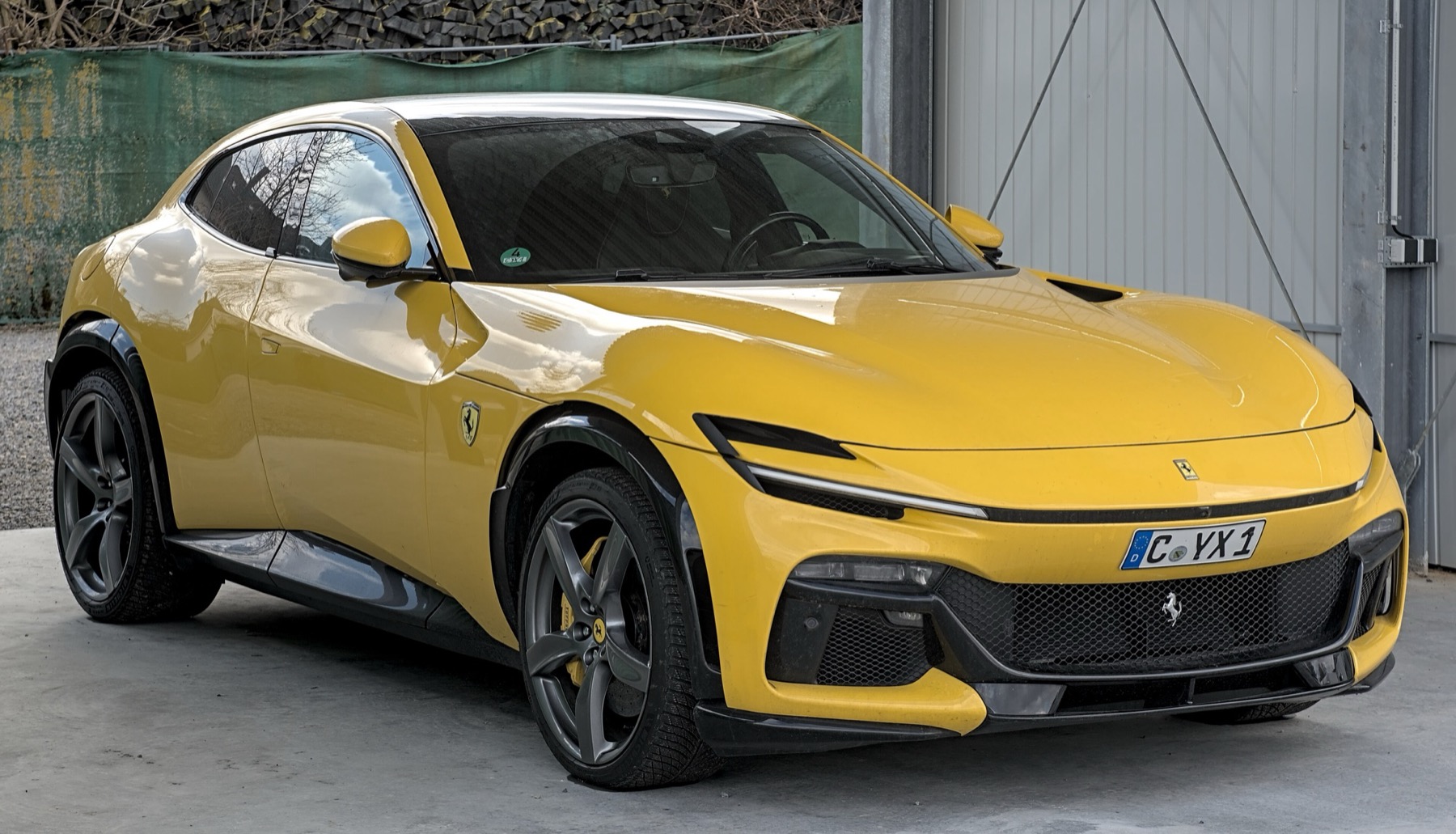
Ferrari's Purosangue debuted as a 2023 model year car with a 6.5-liter naturally-aspirated V12, a layout the rest of the segment abandoned a decade ago. Manufacturer MSRP starts at approximately $398,000 before options, per Ferrari North America's published pricing — most delivered cars land north of $450,000 once Tailor Made and carbon options are specified.
The Lamborghini Urus Performante uses a 4.0-liter twin-turbo V8 shared across the VW Group's performance portfolio, tuned to 657 horsepower per Lamborghini's published spec sheet. MSRP starts at roughly $263,000, with most well-optioned cars closing in the low-$300s.
Aston Martin's DBX707 carries a Mercedes-AMG-sourced 4.0-liter twin-turbo V8 producing 697 horsepower per Aston Martin's spec sheet. MSRP starts at approximately $245,000, generally landing in the high-$200s as configured.
Allocation Reality
This is where the three diverge most sharply. Allocation is not a generic supply question — it's a marque-specific dance between the factory, the dealer, and the buyer's existing relationship.
Ferrari runs the tightest allocation in the segment. The Purosangue was capped at roughly 20% of total Ferrari production at launch per multiple Ferrari North America dealer communications, and the waitlist at most US dealers extends 18–30 months as of early 2026. New buyers without a prior Ferrari purchase history are routinely deferred. The same dynamic governs other limited Ferrari programs — see Porsche 911 allocation for a parallel case study in how marques manage scarcity.
Lamborghini's allocation is tight but more permeable. The Urus Performante shares its production line with the standard Urus, and dealer order books typically clear within 6–12 months of deposit. Build-to-order is realistic for new clients.
Aston Martin operates closest to a conventional allocation model. DBX707 build slots at most US dealers are available within 60–120 days of order, per dealer inventory data on AstonMartin.com and Edmunds dealer listings. The marque has actively been courting first-time buyers, particularly in metros with newer dealer footprints — see the Bentayga, Cullinan, Urus, and Purosangue cross-shop for how the broader luxury-SUV segment compares.
Depreciation: Three Different Curves
Depreciation is where editorial myth and ownership reality part ways most decisively. The headline-grabbing numbers — "Ferrari holds value" — flatten an actually wide spread between specific models and specific spec.
The Purosangue is too new for a clean residual curve. As of early 2026, lightly-used examples on Cars.com and Bring a Trailer are transacting at or modestly above MSRP, reflecting the allocation backlog rather than long-term residual logic. Hagerty's published market commentary advises caution on extrapolating launch-window pricing into a multi-year curve.
The Urus Performante is tracking residuals roughly in line with the standard Urus — KBB and Edmunds residual estimates suggest 62–68% of original MSRP at three years for clean, well-specified examples. Heavy-mileage cars and unusual color combinations land lower. The Lamborghini-tax on used examples remains real but is not the cliff some editorial coverage implies.
The DBX707 carries the steepest depreciation of the three. Used examples on Cars.com, Edmunds, and AutoTrader as of early 2026 are transacting at approximately 50–60% of original MSRP at three years, per aggregated listing data — a reflection of Aston Martin's smaller buyer pool and a US dealer footprint roughly one-fourth the size of Ferrari's. For buyers who plan to hold short, this is the cost of entry. For buyers shopping used, it's a discount on a 697-horsepower car that costs nearly $250,000 new.
Ownership Economics
Service, consumables, and insurance follow the same rough hierarchy as MSRP — but with surprises at the edges.
Ferrari's annual maintenance program covers scheduled service for seven years on new cars, included in the original purchase price. After that window closes, major services run into the mid-four-figures and tires are sized uniquely to the Purosangue. Brake replacement on cars with carbon-ceramic discs is a five-figure event.
Lamborghini service intervals are conventional VW Group performance-line work — expensive but well-understood, and the dealer network is broader than Ferrari's. Tire and brake costs track the Urus standard.
Aston Martin sits between the two. Service costs are generally lower than Ferrari's post-warranty figures, but parts logistics can lag — particularly for the AMG-sourced powertrain, which routes through Aston-specific channels rather than Mercedes service. Plan for longer service windows than the Lamborghini comparison would suggest.
Insurance follows MSRP and replacement-cost logic. Buyers in dense metros — Miami, Los Angeles, the New York metro — should expect annual premiums in the high-single-digit thousands across all three, with the Purosangue at the top of the range.
The Driving Character
Reviews are not the work of an editorial atlas, but the character distinction matters for cross-shopping. The Purosangue is the only one of the three with a naturally-aspirated V12 — a layout that defines its sound, throttle response, and weight distribution. It also defines its fuel-economy and emissions reality, which are predictably modest.
The Urus Performante is the track-tuned variant of an already-sharp SUV. Carbon-ceramic brakes are standard, ride height is reduced versus the standard Urus, and the chassis tuning leans noticeably toward circuit work over commute comfort.
The DBX707 is the most road-biased of the three. Aston Martin's chassis tune emphasizes long-distance pace and refinement over the Lamborghini's track focus. For buyers whose use case is grand-touring with occasional aggression — rather than aggression with occasional touring — the DBX707 case is strong.
What the Editorial Comparison Misses
Most cross-marque coverage of this segment leans on horsepower and 0-60 times. Both metrics are within a half-second across the three cars and meaningfully above what any sensible road use will surface.
The more useful axes are allocation, depreciation, and dealer relationship. A first-time buyer with no Ferrari history will wait two years for a Purosangue and may still be deferred. The same buyer can configure a DBX707 this quarter and take delivery before the end of the year. The Urus Performante sits between.
For used buyers, the calculation flips. The DBX707's depreciation curve creates the strongest used-market case of the three — see used Ferrari depreciation sweet spot for the parallel logic on Ferrari's coupes, and the Bentley Continental GT's true cost of ownership for a comparable analysis on the GT side of the luxury field.
The headline-grabbing numbers — Ferrari holds value — flatten an actually wide spread between specific models and specific spec.
Editorial Recommendation
Three buyer profiles, three different cars.
- The collector with marque history. Purosangue, ordered through your existing Ferrari dealer relationship. Specify Tailor Made restraint over showroom flash; the residual logic on Ferraris consistently favors specification discipline.
- The track-day driver who needs four doors. Urus Performante. The chassis is the sharpest of the three, the dealer network is the broadest, and the residual curve is the most predictable.
- The grand-touring driver with no Ferrari history. DBX707, ideally a 2-3 year old example bought into the depreciation discount. The 697-horsepower powertrain at 50–60% of original MSRP is the strongest used-market value in the segment.
None of these are wrong cars. They answer three different questions, and the buyer's honest answer about use case, holding period, and dealer relationship determines which one fits.
Frequently Asked
How long is the Ferrari Purosangue waitlist in 2026?
Most US Ferrari dealers maintain a Purosangue waitlist of 18 to 30 months as of early 2026, with allocation preferentially extended to existing Ferrari clients. First-time buyers can submit interest but should expect deferral.
Is the Aston Martin DBX707 a good used buy?
For buyers comfortable with Aston Martin's smaller US dealer footprint, the DBX707's depreciation curve creates one of the strongest used-market cases in the segment. Aggregated listing data from Cars.com and Edmunds places three-year examples at approximately 50 to 60 percent of original MSRP.
Does the Lamborghini Urus Performante share its powertrain with other VW Group cars?
Yes. The 4.0-liter twin-turbo V8 is shared across the VW Group's performance portfolio, including variants in Audi RS and Porsche applications. Lamborghini's tune produces 657 horsepower per the manufacturer spec sheet, and service intervals follow VW Group performance-line conventions.
Which of the three has the lowest annual service cost?
Ferrari's seven-year included maintenance program makes the Purosangue the lowest-cost option during the warranty window. After that window closes, the Urus Performante is generally the most economical to service, reflecting the broader VW Group parts and dealer network.
Are any of these cars available in carbon-ceramic brakes as standard?
The Lamborghini Urus Performante includes carbon-ceramic brakes as standard equipment per Lamborghini's published spec sheet. The Ferrari Purosangue and Aston Martin DBX707 offer carbon-ceramic brakes as options, with the Ferrari typically specified with the upgrade in delivered cars.