The Best Year to Buy a Used Porsche 911 GT3: 991.1 Engine Recall Cars, the 991.2 Manual Return and Where the 992 Sits
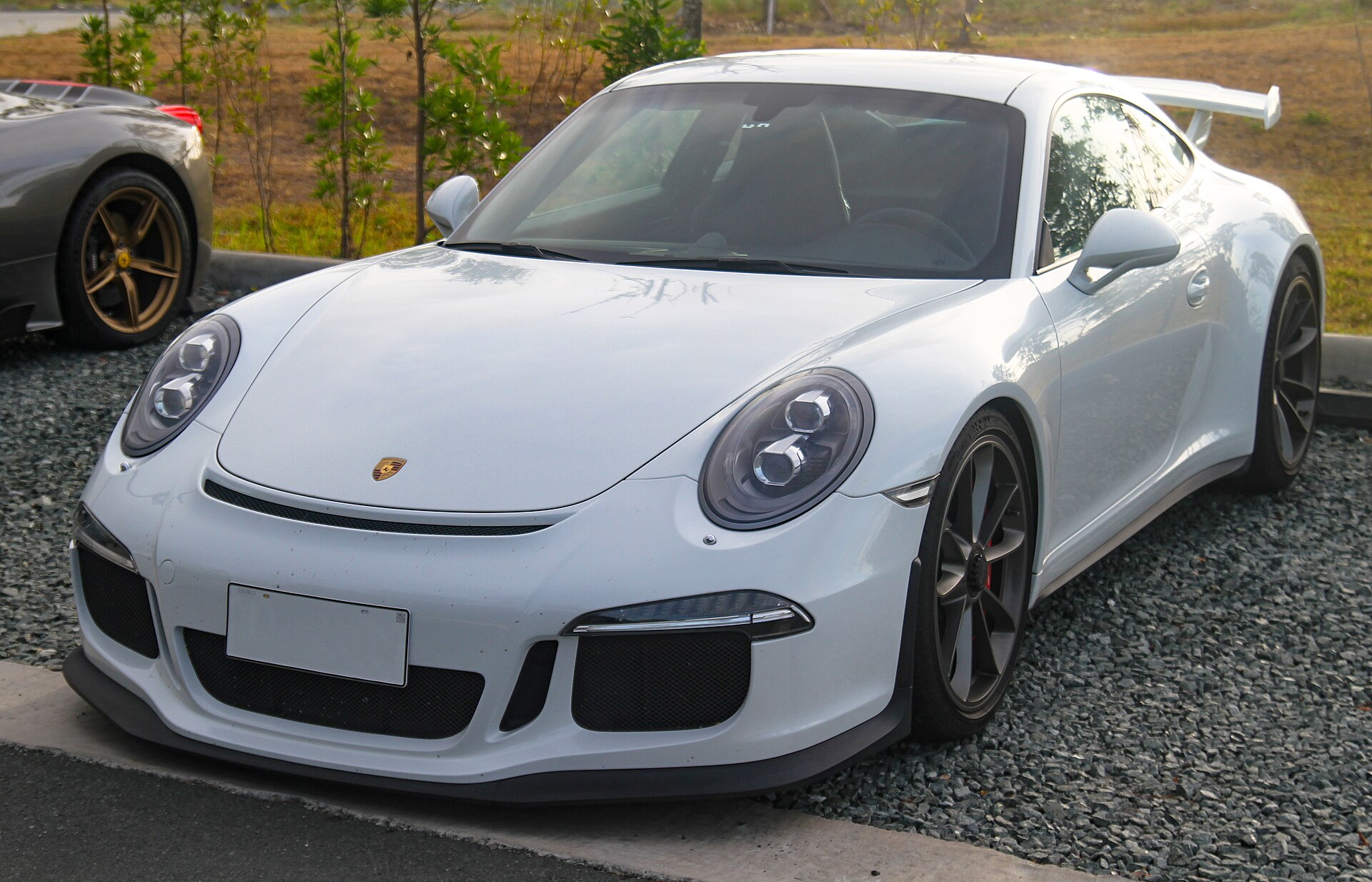
The
911 GT3 has always been Porsche's argument that a road car can carry a racing department's priorities without apology. That said, the used GT3 market rewards buyers who understand each generation's history before they compare odometer readings.Three modern generations now trade side by side: the 991.1, the 991.2 and the 992. Each carries its own engine story, its own gearbox story and its own place on the depreciation curve, and the right year depends on which of those stories matters most to you.
Why Generation Matters More Than Mileage
With most 911 variants, mileage and condition drive the bulk of price variation. With the GT3, however, the generation and the gearbox often move values further than a few thousand miles ever could.
This is because each GT3 generation changed something fundamental: displacement, transmission availability or front suspension design. Keep in mind that the broader 911 market behaves differently, and our analysis of the used 911 depreciation floor explains why the Carrera line settles where it does.
In addition, iSeeCars' five-year depreciation studies have repeatedly placed the 911 among the slowest-depreciating vehicles it tracks. The GT3 sits at the far end of that pattern, and in some specifications it has traded at or above its original sticker.
The 991.1 GT3 (2014–2016): The Engine-Replacement History
The 991.1 GT3 arrived for the 2014 model year with a 3.8-liter naturally-aspirated flat-six, a 9,000-rpm redline and rear-axle steering. It was offered exclusively with the seven-speed PDK, a decision that divided GT3 loyalists from the first press drive.
The launch base MSRP sat at roughly $130,000 before destination, per Porsche Cars North America's 2014 pricing. Always verify against the individual car's window sticker, since option content on GT3s varies widely.
What Happened in 2014
In February 2014, Porsche halted deliveries after two early GT3s caught fire in Europe. The cause was traced to failed connecting-rod bolts, and Porsche committed to replacing the engine in every GT3 already delivered.
As a result, every early car on the market today should carry a factory replacement engine. Cars built after the fix left the factory with the revised engine from the start.
The Valvetrain Extended Warranty
A second issue followed. Porsche later extended engine coverage on 991.1 GT3s to 10 years or 120,000 miles after concerns with valvetrain finger followers, a move intended to restore confidence in the platform.
Keep in mind that this coverage counts from the original in-service date. On most 2014–2016 cars, that window has already closed or is closing, which shifts the risk back onto the buyer.
Where 991.1 Values Sit
Overall, the 991.1 GT3 is the most accessible entry to the modern GT3 line. Its PDK-only specification and its well-publicized engine history have kept it below the 991.2 in the market, and Hagerty's valuation data tracks the two generations as distinct tiers.
That said, a documented 991.1 with complete dealer records and a clean over-rev report can be a strong purchase. For a buyer who wants a 9,000-rpm GT3 and prefers PDK anyway, the discount works in their favor.
The 991.2 GT3 (2018–2019): The Manual Returns
For the 2018 model year, Porsche fitted the GT3 with a 4.0-liter flat-six derived from its racing program, rated at 500 hp. What's more, it brought back the six-speed manual as a no-cost alternative to PDK.
Porsche also introduced the Touring package, which deleted the fixed rear wing and was offered only with the manual. The launch base MSRP sat at roughly $144,000 before destination, per Porsche Cars North America's 2018 pricing.
The 991.2 is the GT3 at which the engine, the gearbox choice and the chassis tuning all aligned at once.
The Manual Premium
On the used market, manual 991.2 GT3s have generally traded at a premium to comparable PDK cars. Touring examples, with their restrained bodywork and manual-only specification, have often led the generation in asking prices.
This is because the manual return was both a mechanical and a cultural event, and supply of manual cars is thinner than demand. For context on how three-pedal cars hold value across marques, see our analysis of manual supercars.
Of course, the PDK 991.2 remains the quicker car on a stopwatch. Buyers who prioritize track times over engagement can often find the same 4.0-liter engine at a meaningfully lower entry point.
Why the 991.2 Is the Center of Gravity
The 991.2 sits between two generations with sharper drawbacks. It avoids the 991.1's early engine history, and it costs less than a 992 while delivering a similar 9,000-rpm experience.
Furthermore, the 991.2 platform is well understood by independent Porsche specialists. Parts availability, service knowledge and track-setup data are mature, which reduces ownership uncertainty.
Where the 992 GT3 Sits
The 992 GT3 arrived for the 2022 model year with a 502-hp 4.0-liter flat-six, double-wishbone front suspension and a swan-neck rear wing. Both the manual and PDK remain available, as does the Touring variant.
The launch base MSRP sat at roughly $161,000 before destination, per Porsche Cars North America's 2022 pricing. Early demand far exceeded allocation, and many first-year cars changed hands above sticker before the market normalized.
In addition, the facelifted 992.2 GT3, revealed in late 2024, arrived at a higher MSRP than the original 992. Indeed, rising new-car pricing tends to support values for earlier cars, since the gap to new widens each model year.
Note that factory warranty coverage is a genuine consideration here. A 2022 or 2023 car may still have CPO eligibility through a Porsche dealer, which none of the 991 generations can offer without a used-car warranty product.
For how allocation pressure shapes early-production values, see our guide to Porsche 911 allocation.
GT3 Generations at a Glance
The table below summarizes the specification differences that drive price variation across the three generations. Original MSRPs are approximate base figures from Porsche Cars North America launch pricing; current values should be checked against Hagerty and live iSeeCars listings.
| Generation | US model years | Engine | Transmission | Approx. launch base MSRP | Key buying consideration | |---|---|---|---|---|---| | 991.1 GT3 | 2014–2016 | 3.8L flat-six, 475 hp | PDK only | ~$130,000 | Engine replacement and lapsed extended warranty | | 991.2 GT3 | 2018–2019 | 4.0L flat-six, 500 hp | 6-speed manual or PDK | ~$144,000 | Manual premium; Touring specification | | 992 GT3 | 2022 onward | 4.0L flat-six, 502 hp | 6-speed manual or PDK | ~$161,000 | Possible CPO coverage; higher entry price |
All of these figures point to one pattern: specification and gearbox matter as much as model year. This is why a well-specified 991.2 manual can sit closer to an early 992 than to a 991.1.
Pre-Purchase Inspection Priorities
A GT3 deserves a more specific inspection than a standard 911. Our full guide to the pre-purchase inspection covers the general process, but the following GT3-specific checks include but are not limited to:
- Over-rev report. The DME logs engine over-rev events by range. A clean report is essential; ignitions in the higher ranges suggest mechanical over-revving, typically from a missed downshift.
- Recall and campaign records. Confirm by VIN that all factory campaigns are complete. On 991.1 cars, this includes the 2014 engine replacement where applicable.
- Track-use evidence. Look for brake rotor wear, tire fitment, wing-mount stress and harness-bar installation points. Track use is expected on a GT3, but it should be documented.
- Service history. Records from a Porsche dealer or established specialist matter more here than on most 911s. Fluid intervals for track-driven cars are shorter than the factory road schedule.
- Front-axle lift and options. Front-axle lift, carbon-ceramic brakes and bucket seats all influence residuals. Verify each against the original window sticker.
After all, the GT3's value depends on how it was driven as much as how far. A low-mileage car with a poor over-rev report is a weaker purchase than a higher-mileage car with clean data.
Timing the Purchase
Seasonality and model-year transitions both influence GT3 pricing. Our analysis of 911 buying timing explains how new-model announcements ripple through the used market.
Moreover, financing structure can change the calculus on a six-figure GT3 purchase. For buyers weighing a loan against cash, our overview of exotic car financing outlines the options.
Editorial Recommendation
The right GT3 depends on how you intend to use it. Here is how we would allocate a budget across the three generations:
- Best balance: 2018–2019 991.2 GT3, manual. The 4.0-liter engine, the six-speed gearbox and a mature service base make it the generation's center of gravity.
- Best for road use: 991.2 GT3 Touring. Manual only, restrained bodywork, and the most consistent residual history of the three generations.
- Best entry point: 991.1 GT3 with complete records. Insist on documented campaign work and a clean over-rev report, and price the car with its expired coverage in mind.
- Best for track use: 992 GT3, PDK. The double-wishbone front end is a measurable gain, and early cars may still qualify for CPO coverage.
Overall, the GT3 rewards research more than impulse. For more on the marque's full lineup, visit our Porsche brand hub, and compare positioning against the 997 and 991 Carrera S if a GT3 stretches beyond your target budget.