Buying a Porsche 911 Turbo S in 2026: Coupé or Cabriolet, the T-Hybrid Powertrain, and the Specs That Matter
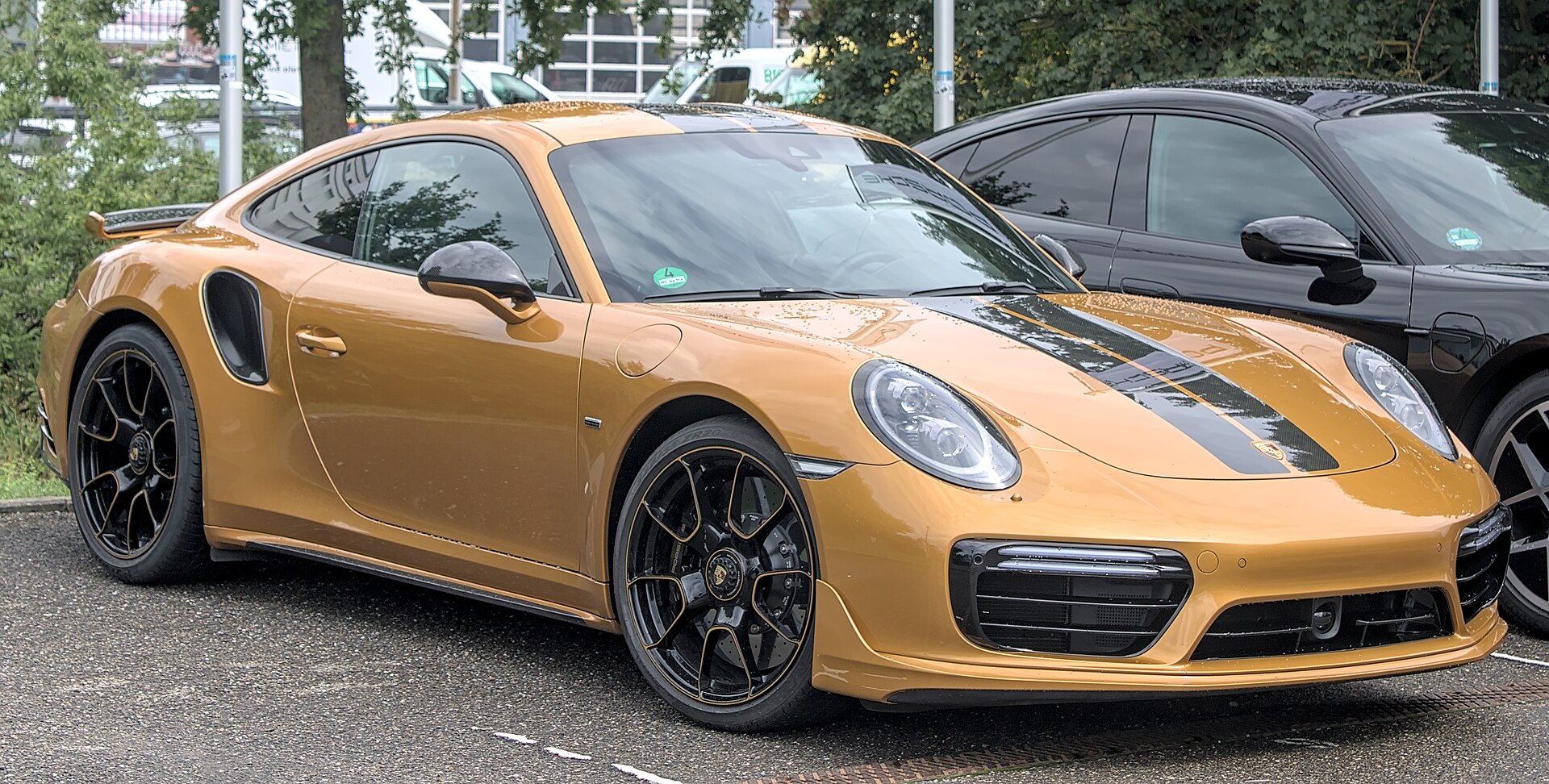
Few
cars have carried a single nameplate through as many reinventions as the 911 Turbo, and fewer still have done so while remaining the reference point for everyday supercar performance. That said, the 992.2 Turbo S brings one of the most significant mechanical changes in the model's history, and it asks buyers to rethink several assumptions they may have carried over from earlier generations.For a buyer spending well north of a quarter-million dollars, the decision comes down to three questions: which body style, which options genuinely matter, and how to secure a build slot at all. This playbook works through each in order, with Porsche's published figures and the resale sources we rely on.
What Changed With The 992.2 Turbo S
The headline is the T-Hybrid powertrain. Porsche pairs a 3.6-liter twin-turbocharged flat-six with two electric exhaust turbochargers (eTurbos) and an electric motor integrated into the eight-speed PDK transmission, fed by a compact high-voltage battery.
The result, per Porsche, is a system output of 701 hp and 590 lb-ft of torque — a 61-hp increase over the outgoing 992.1 Turbo S. In addition, Porsche quotes 0–60 mph in 2.4 seconds with Launch Control and a top speed of 200 mph.
Why The eTurbos Matter More Than The Horsepower Figure
Keep in mind that the peak number tells only part of the story. Each eTurbo uses a small electric motor on the turbocharger shaft to spool the compressor before exhaust energy arrives, which addresses the off-boost hesitation that has defined turbocharged 911s for five decades.
In practice, this means response from low engine speeds that previous Turbo S owners will notice immediately. What's more, the electric motor can also act as a generator, recovering energy to recharge the battery on the overrun.
The Weight Question
Naturally, the hybrid hardware adds mass. Porsche states that curb weight rose by approximately 85 kg (roughly 187 lb) compared with the predecessor, a figure that includes an expanded list of standard equipment and chassis upgrades.
However, Porsche also reports an official Nürburgring Nordschleife lap of 7:03.92, driven by Jörg Bergmeister under notarial supervision. That is about 14 seconds quicker than the 992.1 Turbo S, which suggests the added weight has been more than offset by chassis, aerodynamic, and tire development.
Coupé Or Cabriolet: Making The Decision
Porsche publishes a US base MSRP of $270,300 for the Turbo S Coupé and $284,300 for the Turbo S Cabriolet, both excluding delivery, processing and handling fees. That is a $14,000 premium for the soft top before a single option is added.
The comparison below summarizes the decision as we see it. Figures are Porsche-published where noted; the remaining rows reflect editorial assessment rather than measured data.
| Consideration | Turbo S Coupé | Turbo S Cabriolet | | --- | --- | --- | | US base MSRP (Porsche) | $270,300 | $284,300 | | Body structure | Fixed roof; stiffer shell | Power soft top; additional reinforcement | | Track and performance-driving use | Stronger candidate | Capable, but less focused | | Daily and touring use | Excellent | Excellent, with open-air option | | Used-market buyer pool (editorial view) | Broader | Narrower, more seasonal in northern markets |
When The Coupé Makes More Sense
The Coupé is the logical choice if you plan to attend track days, value the purest expression of the chassis, or intend to keep the car through a long ownership cycle. After all, the fixed roof gives the stiffest structure and the lightest version of the car.
Moreover, the Coupé has historically drawn the broadest pool of buyers on the secondary market. For an owner who expects to sell within three to five years, that liquidity is worth weighing alongside the purchase price.
When The Cabriolet Makes More Sense
The Cabriolet suits buyers in warm-weather markets, or those who treat the Turbo S as a grand-tourer rather than a performance instrument. Keep in mind that the Turbo S Cabriolet is all-wheel drive and retains the full T-Hybrid powertrain, so there is no performance hierarchy in the drivetrain itself.
Remember that seasonality affects resale. A Cabriolet listed in Miami or Scottsdale in February typically meets a more motivated buyer than the same car listed in Chicago in November — and the reverse holds for asking-price leverage when you are the one buying.
The Specs That Matter On A 992.2 Turbo S
The Turbo S already carries a long standard-equipment list, which means fewer options are truly essential than on a Carrera or GTS. Our concierge desk works through exactly this question with buyers configuring a Turbo S Cabriolet, and the answer is shorter than most configurators suggest.
We cover option-by-option residual behavior in our 911 options and resale analysis, so this section focuses on the specs that shape the ownership experience specific to the Turbo S. Some examples of what we would prioritize include:
- Front-Axle Lift System. On a car with a low front splitter and adaptive aero, a nose lift protects the bodywork on driveway aprons and parking ramps. It is also among the options a used-market shopper looks for first.
- Exterior Color. Paint choice moves the needle more than most mechanical options on the secondary market. Restrained, period-appropriate colors tend to hold demand better than polarizing hues, while paint-to-sample (PTS) adds cost that the resale market recovers only selectively.
- Seat Specification. Seat choice shapes long-distance comfort as much as any interior option, and buyers who road-trip should prioritize adjustability over weight savings. Note that availability and seat names change by model year, so confirm the exact designation on your build sheet.
- Interior Color And Material. A tasteful two-tone or a single dark leather with contrast stitching ages well. Heavily personalized interiors narrow the eventual buyer pool.
- Audio. The Burmester high-end system is a comfort choice rather than a resale driver. Order it if you will enjoy it, not as an investment.
All of these choices share a common logic: spec the car for how you will use it, then avoid choices that only a single buyer will love. For a broader framework on which trim and option combinations hold value, see our guide to trim-level depreciation.
What Is Already Standard
The Turbo S has traditionally included as standard the hardware that buyers of lesser 911s pay extra for, such as rear-axle steering, Sport Chrono, and ceramic composite brakes. Be aware that standard-equipment lists vary by model year and market, so verify every item against the window sticker or the Porsche configurator before you commit a deposit.
This is why we recommend reviewing the standard list first and the options list second. Duplicating a standard feature with a paid upgrade is a more common configuration error than most buyers expect.
Allocation Reality For The Turbo S
The Turbo S is a series-production 911, not a limited Special Series model, so allocation is a matter of dealer relationships and timing rather than lottery. That said, demand for the first model years of a new generation routinely outpaces each dealer's initial allocation.
Our Porsche 911 allocation guide explains how dealers distribute build slots, and our broader piece on allocation reality separates dealer practice from forum myth. In short, purchase history with the dealer, a willingness to commit to a spec early, and flexibility on delivery timing all improve your position.
Market Adjustments And Timing
Some dealers may add a market adjustment above MSRP on early cars, while others sell at sticker to established clients. This varies by region and by month, and we do not publish a typical figure because none is reliably sourced.
If you can wait, demand for a new generation generally normalizes after the first production cycle. Our 911 buying-timing analysis covers when in the model cycle buyers tend to have the most leverage.
Resale Outlook And Where To Check Values
The 992.2 is too new for meaningful depreciation data, and any precise residual forecast would be speculation. Instead, we recommend tracking values through Hagerty's valuation tools, Kelley Blue Book, and Edmunds as transaction data accumulates through 2027.
The prior generation offers useful context. Our analysis of the best year for a used 911 Turbo S and our study of the used 911 depreciation floor show how earlier Turbo S generations have behaved once the initial demand curve passes.
How The Hybrid Affects Long-Term Ownership
Keep in mind that the T-Hybrid system introduces a high-voltage battery and electric components that previous Turbo S buyers never had to consider. Accordingly, warranty coverage and documented dealer service carry even more weight on this generation.
If you plan to sell the car before the new-car warranty expires, a clean service record will matter to the next owner. If you are shopping certified pre-owned later, our guide to CPO exotic warranties explains what Porsche Approved coverage typically includes.
Editorial Recommendation
Overall, the 992.2 Turbo S is a meaningful step forward, and the decision between body styles should follow use rather than image. Here is how we would approach the purchase:
- For performance driving and long-term ownership: Turbo S Coupé, front-axle lift, restrained color, comfort-oriented seats.
- For warm-climate touring: Turbo S Cabriolet with the same core spec, accepting the $14,000 base premium for open-air use.
- For value-focused buyers: Wait for the first production cycle to settle, or consider a well-documented 992.1 Turbo S.
- For every buyer: Confirm the standard-equipment list before paying for an option, and keep every service record.
If you are weighing a Turbo S against other Porsche models or rival marques, our Porsche marque hub collects our full coverage. When you are ready to configure, start with the standard list, add only what you will use, and let the dealer relationship do the rest.