Which 992 Porsche 911 Options Actually Affect Resale Value: What the Sourced Data Shows and Where It Runs Thin
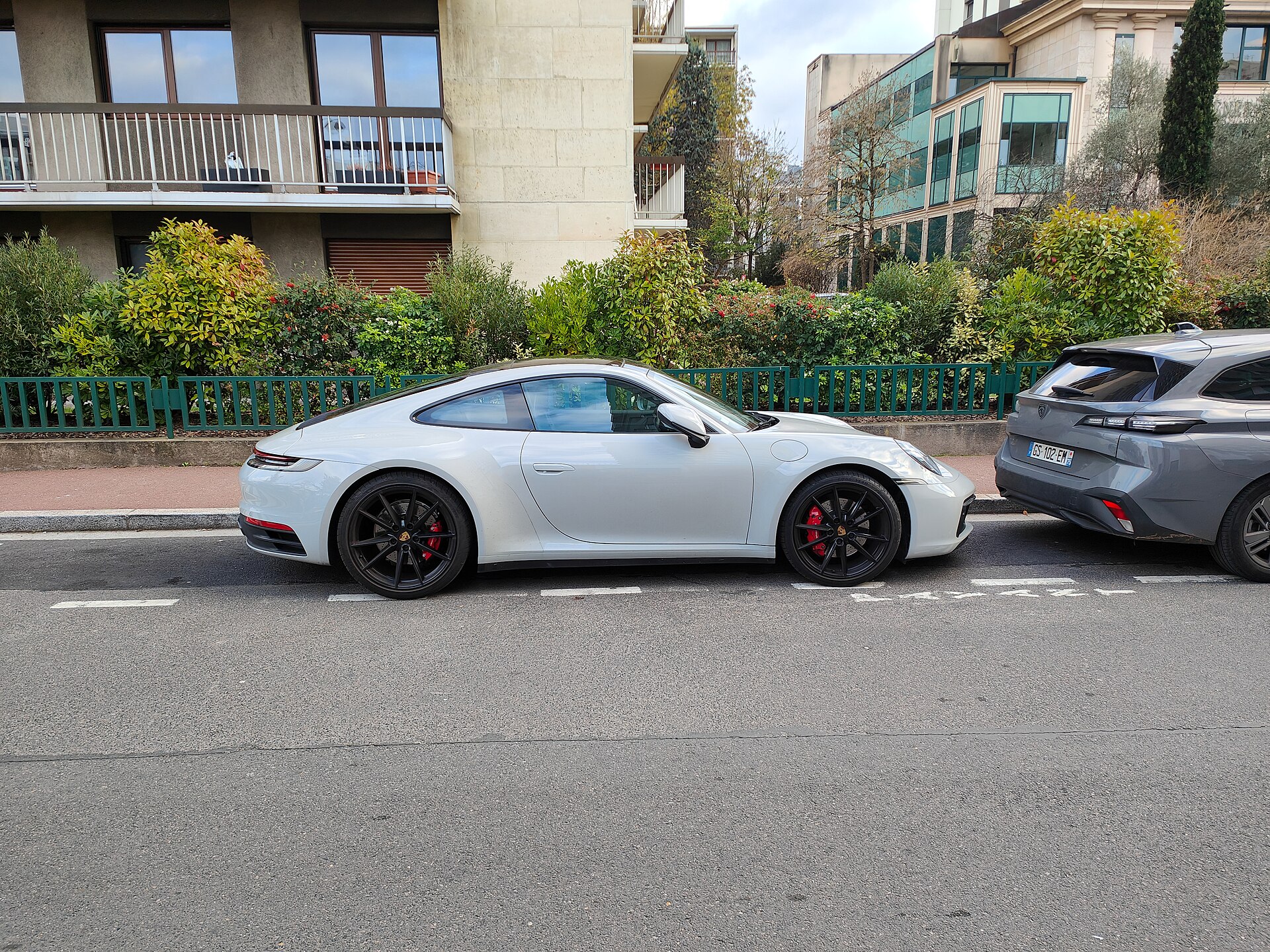
The 911 has run through eight generations, and the 992 now reaches the used market with an option list that can add tens of thousands of dollars to a window sticker. That said, the money spent on options and the money recovered at resale can be very far apart, and that gap is where most buyers lose money.
Our concierge desk works through this comparison with buyers across the range, from the Carrera S to the Turbo S Cabriolet. This piece sets each common option against what KBB, Edmunds and Hagerty actually publish, and it says plainly where the published data stops.
What The Valuation Guides Actually Measure
Before weighing any single option, it helps to know what each source can and cannot see. Keep in mind that all three were built to price whole cars, not individual line items.
Here is how the three sources treat optional equipment:
- Kelley Blue Book. KBB values a used 911 by model year, trim, mileage, condition and region, and it lets you add selected factory equipment. It does not publish what share of a given option's original cost carries into resale.
- Edmunds. Edmunds builds its appraisals from transaction data and uses similar equipment inputs. Its option adjustments go into one appraisal figure rather than separate residual curves.
- Hagerty. Hagerty's valuation tools grade cars by condition tier, from concours to driver, and focus on collector-relevant models. We could not find any public Hagerty data for the 992 that isolates option-level premiums.
As a result, almost every specific figure you will hear about a 992 option premium comes from listings, dealer opinion or auction anecdote. Those can be useful signals, but they are not sourced residuals, so we mark them as estimated throughout.
The Baseline: Trim And Mileage Come First
The biggest driver of a 992's value is the trim on the title. A Carrera S, a GTS, a Turbo S and a GT3 sell in different markets entirely, and no set of options moves a car from one to the next.
For reference, Porsche Cars North America priced the 2021 911 Turbo S Coupe at $203,500 and the Turbo S Cabriolet at $216,300 at launch, before destination. Remember that launch figures like these are the starting point KBB and Edmunds depreciate from, which is why percentage retained is the fair way to compare body styles.
Mileage and condition sit just beneath trim. What's more, a documented service history and a clean title routinely count for more in a guide appraisal than any single option, a point we expand on in our piece on provenance and history files.
Options With The Strongest Market Signal
A handful of options come up again and again as differentiators in used 911 listings. None of them has a published residual, but the listing evidence for them is at least consistent.
The Manual Gearbox
The 992 offered a seven-speed manual on Carrera S, Carrera 4S and Carrera T cars, and a six-speed manual on GT3-family cars. Because manual cars were built in smaller numbers than PDK cars, they tend to draw a committed group of buyers.
That said, no KBB, Edmunds or Hagerty figure isolates the manual premium on the 992. Treat any number you see as estimated, including numbers sellers quote, and expect the premium to be strongest on driver-focused trims rather than on a Cabriolet or Targa.
Front-Axle Lift
Front-axle lift is a modestly priced option that solves an everyday problem: driveways, ramps and speed bumps. In fact, many used buyers filter listings for it, and a car without it can sit longer on a dealer lot.
Keep in mind that its effect shows up as faster time-on-market, not as a line item in a guide. That distinction matters when a seller claims it should add a fixed dollar amount.
Sport Chrono And Sport Exhaust
Sport Chrono and the sport exhaust are fairly inexpensive and widely expected on performance-oriented trims. Leaving them off can shrink the buyer pool more than adding them raises the price.
Note that Sport Chrono is standard on the Turbo S, so it adds no premium there. Before crediting any option, check whether it was standard or optional against the original window sticker.
Options That Rarely Return Their Cost
Several options cost much more and return much less. This is because guides discount optional equipment heavily as a car ages, and the most expensive options lose the most dollars.
Porsche Ceramic Composite Brakes
PCCB was priced at roughly $9,000 on 992 Carrera trims (estimated; verify against the window sticker for any given car). The brakes are excellent, yet the used market rarely repays that cost, and some buyers factor in the price of replacing the rotors one day.
On the Turbo S, PCCB is standard equipment. Therefore it sets the baseline rather than a premium, and a Turbo S Cabriolet with ceramic brakes is simply a correctly equipped Turbo S.
Rear-Axle Steering And Suspension Upgrades
Rear-axle steering and sport suspension settings change how the car drives in ways enthusiasts value. However, guides cannot see driving dynamics, so these options affect how easily a car sells to a knowledgeable buyer rather than its appraisal.
On a Carrera S kept for road use, they are worth ordering for your own driving. On a used car, think of them as a reason to choose one car over another rather than a reason to pay more.
Interior Packages, Leather And Carbon Trim
Extended leather, carbon trim packages and contrast stitching can add many thousands to a sticker. Yet these options depend heavily on taste, and their resale value rests entirely on whether the next buyer shares the first owner's preferences.
The same applies to Burmester audio and upgraded seating. These options make a car easier to sell to some buyers without reliably raising its guide value.
Paint To Sample
Paint to Sample is the most debated option on any modern Porsche. A well-chosen heritage color can broaden interest, while a polarizing shade can narrow it.
No guide publishes a residual for Paint to Sample. Accordingly, any premium is settled in negotiation, and we treat it as a market signal rather than a data point.
The Turbo S Cabriolet, Specifically
The Turbo S Cabriolet is an unusual case for option analysis. Because so much performance equipment comes standard (PCCB, Sport Chrono and rear-axle steering among it, per Porsche's US equipment list at launch), the remaining options are mostly about appearance and comfort.
Convertibles also depreciate on their own pattern, which we cover in depth in our analysis of convertible depreciation. Remember that the $12,800 launch-price gap between the Turbo S Coupe and Cabriolet does not translate into a fixed resale gap.
What moves a Turbo S Cabriolet's value is the familiar list: mileage, condition, history and color. Front-axle lift and sport exhaust help the car sell, while heavy interior personalization helps only if it suits the next buyer.
Where The Data Runs Thin
It is worth being clear about the limits. The 992 is recent enough that many cars are still with their first or second owner, and option-level resale studies need years of transactions to become reliable.
In addition, special series and limited allocations, which we cover in our piece on 911 allocation, are priced by scarcity rather than by options. A Sport Classic or an S/T trades on its build numbers and provenance, not on its option sheet.
For a broader method of pricing cars when sourced figures are sparse, see our guide to thin-data depreciation. Overall, the honest position is that most 992 option premiums are estimated, and buyers should negotiate with that in mind.
How To Weigh Options When Buying, Ordering Or Selling
The right approach depends on whether you are ordering new, buying used or selling. Here is how we suggest weighing options in each case:
- Ordering new. Specify the car for your own use first, then add the low-cost options used buyers expect, such as front-axle lift and sport exhaust. Count expensive personalization as money spent on enjoyment, not as an investment.
- Buying used. Pay for trim, mileage, condition and history, and use options to decide between otherwise similar cars. Ask for the original window sticker and confirm every option the seller lists.
- Selling. Lead with documentation rather than what the options cost new. A complete sticker, service records and a pre-purchase inspection report will do more for your price than an option list.
If a car you are considering has been on track, check how that affects its coverage before you agree a price. Our piece on track days and warranty coverage explains what to ask.
Editorial Recommendation
Based on the sourced data and the limits described above, here is how we would rank 992 options for resale:
- Prioritize. A manual gearbox on a Carrera T, Carrera S or GT3-family car, if driving engagement is the point. Front-axle lift on any 992.
- Expect, but do not overpay for. Sport Chrono and sport exhaust on performance trims, where buyers assume they are fitted.
- Specify for yourself. PCCB on non-Turbo trims, Paint to Sample, extended leather and carbon packages.
- On a Turbo S Cabriolet. Pay for mileage, condition, history and a well-judged color, since the performance hardware is already standard.
For how each model fits into the lineup, see our Porsche marque hub. Our concierge desk can also help you check a specific car's window sticker against current guide values before you commit.