Buying a Lamborghini in Miami: Dealer Dynamics, Urus Volume, and the Florida Tax and Registration Math
M
iami has spent two decades becoming the American city most closely associated with Lamborghini, and the association is no longer just a matter of visibility on Ocean Drive. It is a matter of volume, allocation weight, and a resale market deep enough that a Huracán changing hands in Coral Gables is an ordinary transaction rather than an event.That density changes how a purchase works. In a thin market, the buyer's problem is finding the car; in South Florida, the buyer's problem is understanding which dealer relationship, which tax jurisdiction, and which storage arrangement they are actually signing up for.
The South Florida Dealer Picture
Lamborghini's US retail network is small by design, and South Florida carries more of it than almost any comparable metro. Buyers should verify the current roster against the official Lamborghini dealer locator before assuming any given store is still operating under the same ownership — South Florida franchises have changed hands repeatedly as large dealer groups consolidated exotic franchises over the past decade.
What matters more than the count is the character of the stores. A Miami-area Lamborghini dealer typically sits inside a group that also holds Ferrari, Bentley, McLaren, or Rolls-Royce points, which means the same sales organization is managing several allocation books at once.
That consolidation cuts both ways. A buyer with a documented history across the group's other franchises arrives with leverage that a first-time walk-in does not have, which is the same dynamic covered in our analysis of how exotic allocation actually works.
Why the Urus Carries the Volume
The Urus is the reason Lamborghini's global output moved from boutique numbers into something resembling a real production business, and Miami is one of its strongest single markets. The car functions as a daily driver in a metro where a low-slung mid-engine coupe does not — speed bumps, flooded intersections, valet lines, and a 45-minute commute up I-95 all favor the SUV.
Urus volume also produces the local used supply. Because so many were delivered into South Florida, the two-to-four-year-old inventory there is deeper and more competitively priced than in most of the country, a pattern we walk through in detail in our guide to the best year to buy a used Lamborghini Urus.
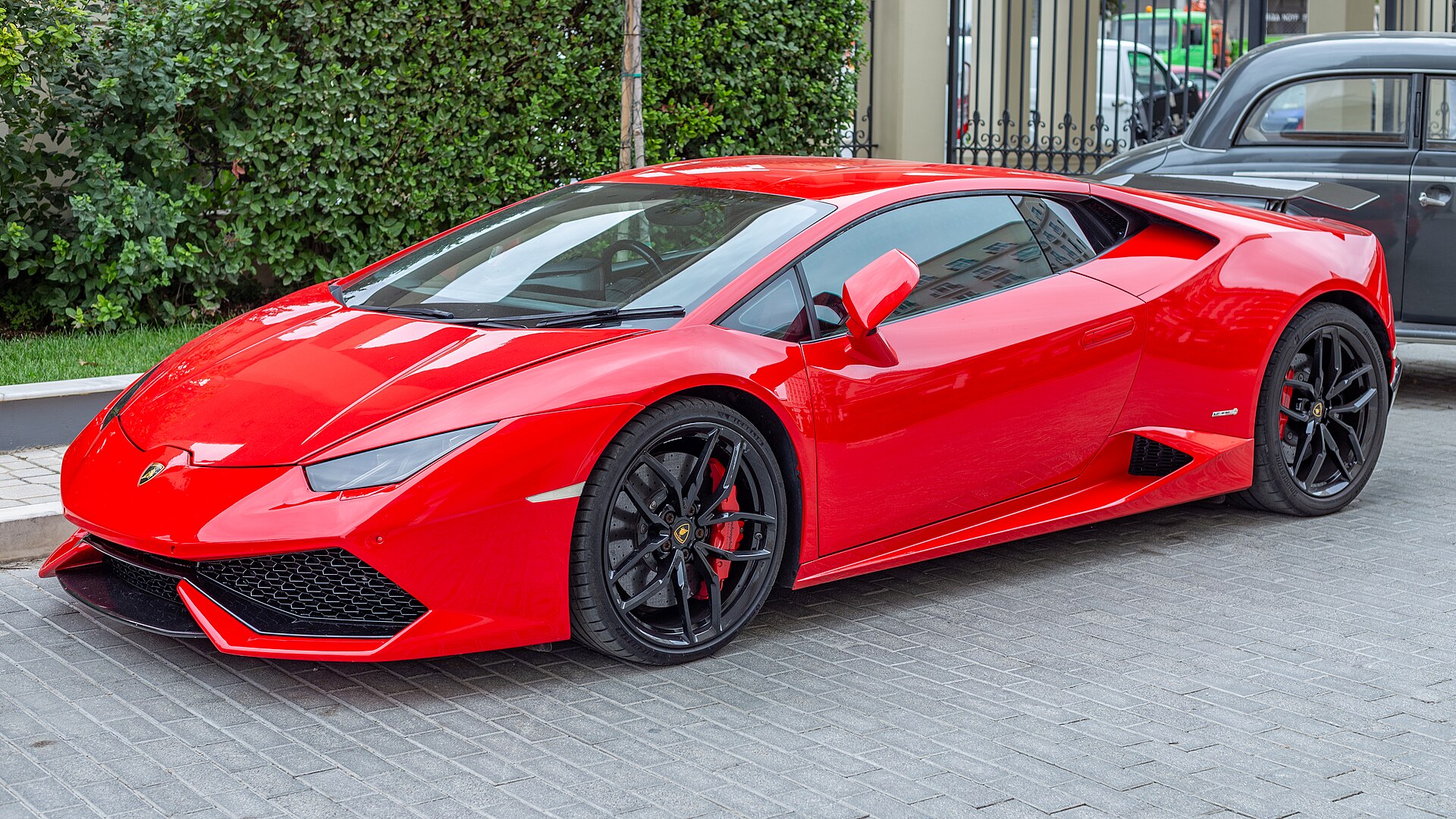
The Huracán occupies the other half of that volume. It is the entry point into the naturally-aspirated V10 experience, it holds value better than most first-time exotic buyers expect, and South Florida's used inventory is broad enough to be selective on spec — the considerations we cover in the used Huracán buying analysis.
Allocation for Revuelto and Temerario
Allocation for the current flagship and the Huracán's successor follows the same logic it does everywhere, only compressed. The dealer receives a limited number of build slots per model year, and those slots are assigned by the store, not by the factory, on the basis of relationship history.
In practice that means prior purchases through the same dealer, cars kept rather than flipped, service performed in-house, and a willingness to take a build that is specified toward the dealer's read of the market rather than purely toward the buyer's preferences. Miami's client lists are long, so a buyer entering cold should expect to establish history through a more available model first.
Expect anti-flip provisions in the paperwork. Resale restrictions, first-refusal clauses, and holding periods have become standard across the exotic marques, and the mechanics of those agreements are worth understanding before signing — we break them down in our piece on exotic anti-flip agreements.
The Florida Tax and Registration Math
Florida levies a 6 percent state sales tax on motor vehicle purchases, and counties may add a discretionary sales surtax on top of it. The critical detail for exotic buyers is that the discretionary surtax applies only to the first $5,000 of the purchase price on a single-item sale — a cap that makes the county component nearly irrelevant at Lamborghini money.
Buyers should confirm current rates directly with the Florida Department of Revenue, since county surtax rates are set locally and change by ordinance.
A Worked Example
Take a $280,000 Huracán transaction in Miami-Dade County. The 6 percent state tax applies to the full price; the county's discretionary surtax applies only to the first $5,000.
| Line item | Basis | Amount (estimated) |
|---|---|---|
| Vehicle price | — | $280,000 |
| State sales tax (6%) | Full purchase price | $16,800 |
| County discretionary surtax | First $5,000 only | Under $100 at typical county rates |
| Title, registration, plate | Fixed state fees | Low hundreds |
The practical takeaway is that the state's 6 percent line dominates and the county line is a rounding error. Verify the exact surtax rate and the current initial-registration fee with the Florida Department of Revenue and the Florida Department of Highway Safety and Motor Vehicles before budgeting — a trade-in allowance reduces the taxable base, which is frequently the largest single lever available.
One more jurisdictional note: Florida assesses tax based on where the vehicle is registered, and out-of-state buyers taking delivery in Florida face a different calculation involving their home state's rate. That is a question for a tax professional rather than a sales manager.
Flood, Hurricane, and the Insurance Reality
South Florida's storm exposure is the part of the ownership equation that out-of-market buyers consistently underprice. Comprehensive coverage on an exotic in a coastal ZIP code carries a premium that reflects named-storm risk, and carriers in the region have tightened both pricing and appetite in recent years.
Two specifics matter. Flood damage is covered under comprehensive rather than collision, so a car carrying liability-only coverage has no protection against a storm surge or a flooded garage, and agreed-value policies are strongly preferable to actual-cash-value policies on any car with a meaningful spec premium.
Storage is the companion problem. Elevated, hurricane-rated garage space is a genuine line item in South Florida, and buyers who plan to leave a car in the market during a named-storm evacuation should confirm in advance whether their facility has a generator, a flood history, and a stated protocol.
The CPO and Used Inventory Picture
Lamborghini's factory-backed program covers approved used cars through authorized dealers, and the South Florida inventory is among the deepest in the country precisely because so much new volume was delivered there. The trade-off is that warm-climate cars carry their own inspection profile — sun exposure on interior surfaces, air-conditioning system wear, and the possibility of undisclosed flood history.
A pre-purchase inspection is not optional on a Florida car. Run the VIN through a title-history service, check for salvage or flood brands across all states, and have an independent specialist inspect the undercarriage and electrical connectors regardless of how the car presents cosmetically.
On warranty, the factory-approved program's coverage terms and the case for buying inside it rather than outside it are worth weighing against third-party alternatives — our analysis of CPO exotic warranty coverage lays out where the factory program earns its premium and where it does not.
How This Compares to the Ferrari Path
The two marques behave differently in the same city. Ferrari's allocation culture is more formalized and its client-history requirements are stricter at the top of the range, while Lamborghini's Urus volume creates a broader on-ramp for a buyer with no exotic history at all.
A buyer weighing both in the same market will find the parallel analysis in our Ferrari-in-Miami guide useful, and the broader city context on the Miami market hub. For marque-level depreciation, lineup, and allocation background, start at the Lamborghini brand hub.
Editorial Recommendation
For a first Lamborghini in Miami, the sequence that works is unglamorous and reliable.
- Start with a factory-approved used Urus or Huracán. South Florida inventory is deep, the depreciation curve has already absorbed its steepest segment, and the purchase establishes the dealer history that allocation depends on.
- Buy the car, then buy the storage. Confirm elevated, generator-equipped, hurricane-rated space before the car arrives rather than during the first named-storm watch.
- Write comprehensive with agreed value from day one. Flood is a comprehensive-only peril, and an agreed-value policy protects a spec premium that actual-cash-value settlement will not recognize.
- Treat the county surtax as noise and the 6 percent as the number. Model the state line, confirm the current rate with the Florida Department of Revenue, and use trade-in allowance as the lever if one is available.
- Commission the pre-purchase inspection every time. A Florida car with clean paperwork and a poor undercarriage is a common outcome, and the inspection cost is trivial against the purchase price.
Miami rewards buyers who treat the market as a system rather than a showroom. The allocation, the tax line, the insurance binder, and the garage are a single decision, and the buyers who do well there make all four at once.